
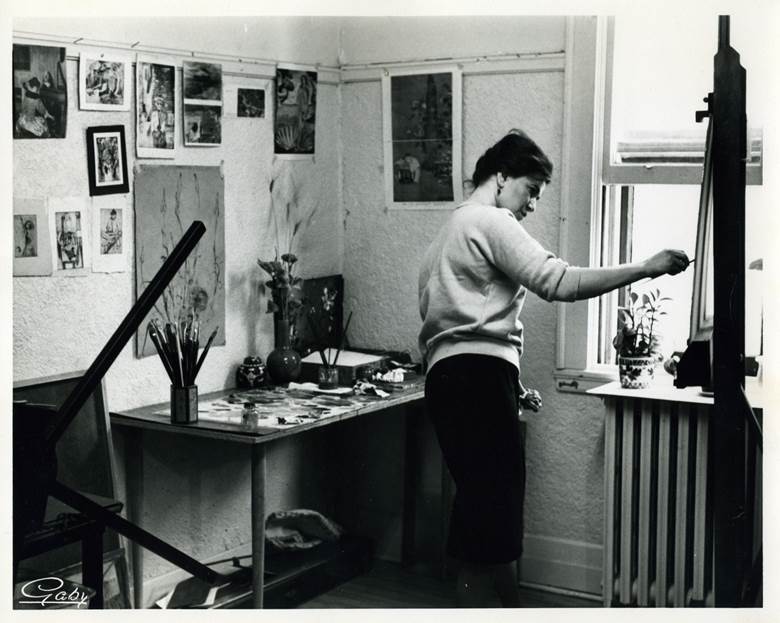
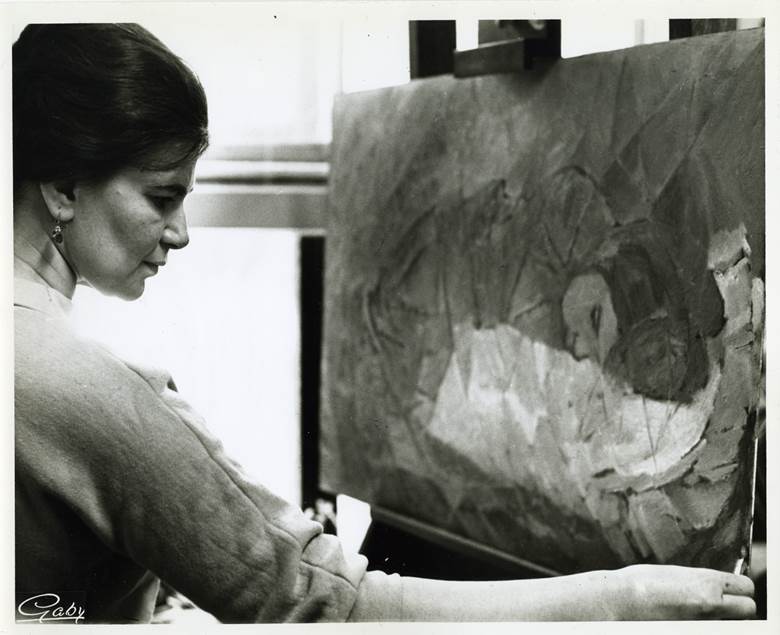
-
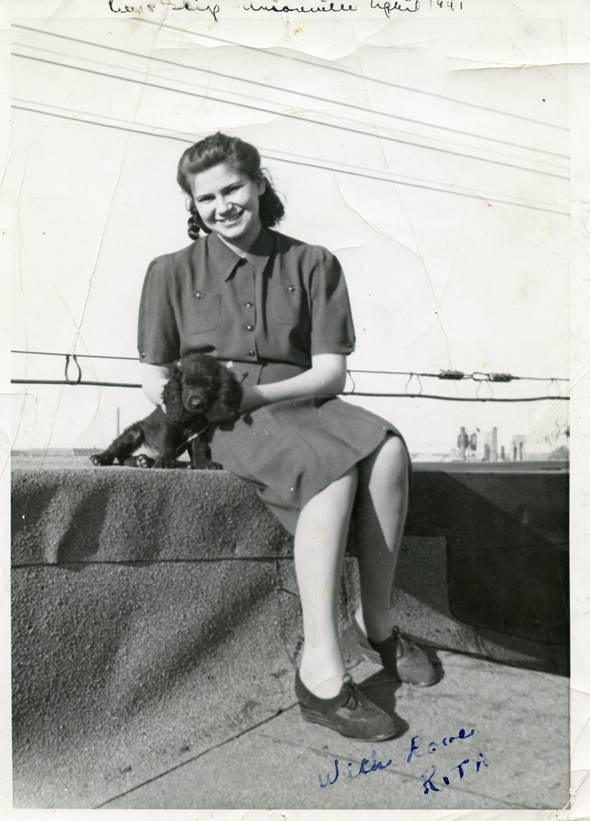
Photo Credit : Jewish Public Library - Archive and Rita Briansky -
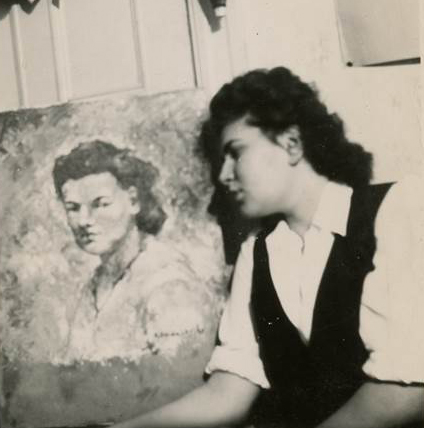
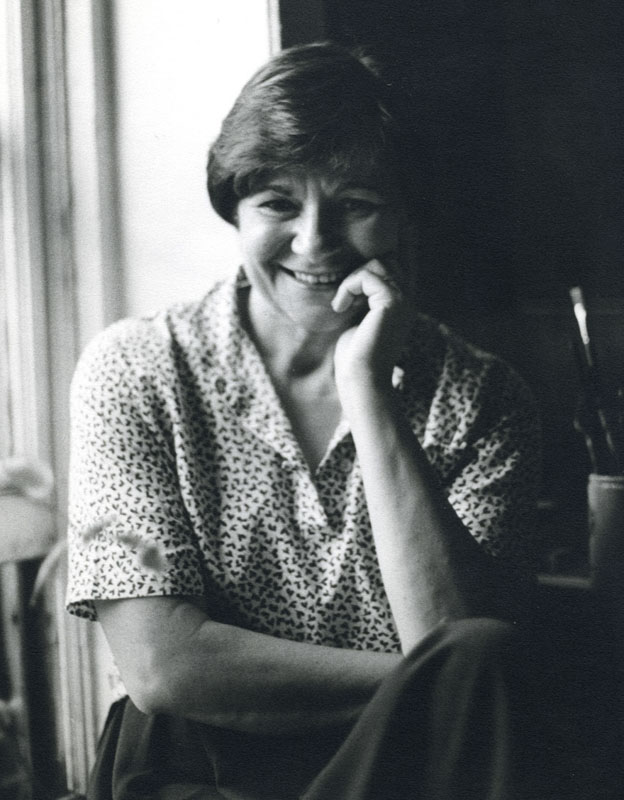
Portrait of Rita Briansky.Photo Credit : Jewish Public Library - Archives
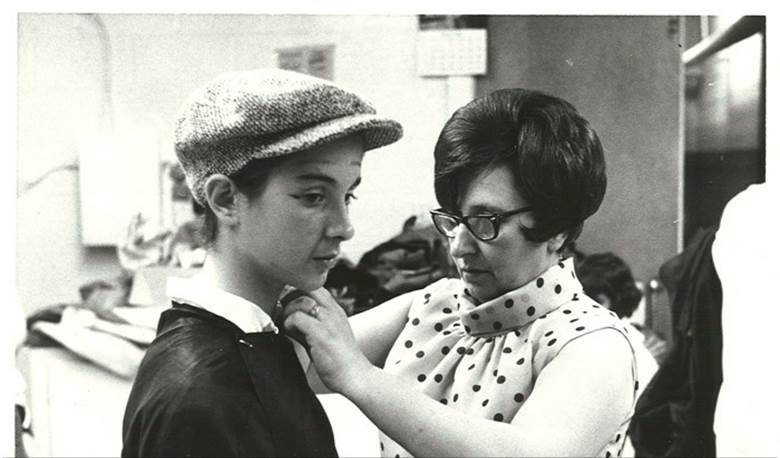
Rita Briansky
Rita Briansky is an award-winning painter, printmaker, etcher and teacher, whose work is included in the permanent collections of illustrious institutions such as the National Gallery in Ottawa, the Winnipeg Art Gallery and the Montreal Museum of Fine Arts.
Briansky was born in Grajewo, Poland. With her mother and two sisters, she moved to Ontario in 1929, joining Ansonville’s small Jewish community. In 1939, the family moved to Val d’Or, Quebec and then again to Montreal, in 1941. There, the family struggled financially and was unable to afford the fee for Briansky’s high school education. It was the Yiddish poet Ida Massey who found the young artist a job so she would be able to pay for her schooling. This encouragement served as the beginning of a valuable friendship, as well as helping to foster Briansky’s artistic career. Massey later introduced Briansky to Alexander Berkowitz, who at the time was giving art classes at the St. Urbain Street Y. Her training and talent quickly took the young artist to the Montreal School of Fine Arts and New York’s Arts Student League.
In 1995, following travels in Poland to her birthplace and memorial sites, Briansky produced the “Kaddish series,” reflecting on the trauma of the Holocaust. Other series have broadly used landscape, portraiture and still lifes as a passionate response to the world around her, speaking fundamentally to the human condition.
Briansky’s work has been shown in solo and group exhibitions both in Canada and internationally. Her body of work is diverse in both theme and subject matter, reflecting her interests in fields such as astronomy and the natural world, while remaining deeply rooted in her own lived experiences. She has participated in multiple collaborative projects, such as the children’s book On Stage, Please with dancer/choreographer Veronica Tennant. She is long-established within Montreal’s art community, working and living alongside a tight-knit group of artists. She has also worked as a teacher, both of art history and studio art.
Briansky married fellow painter Joseph Prezament, and they have two children together, Anna and Wendy.
Learn more:
http://www.gallery.ca/en/see/collections/artist.php?iartistid=714
http://www.mccord-museum.qc.ca/en/exhibitions/jewish-painters-of-montreal/
-
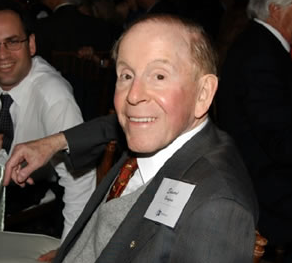
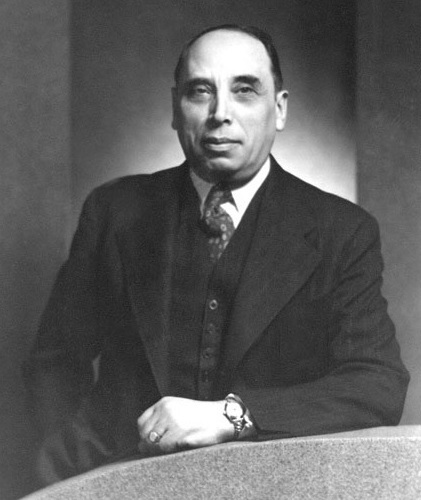
Maurice Pollack.Photo Credit : Lifeinquebec.com
Maurice Pollack
Ukrainian-born philanthropist and businessman Maurice Pollack ran the department store M. Pollack Ltd. in Quebec City – one of the region’s largest and most successful companies.
Pollack was born in Kanele, Kiev. He came to Canada in 1902, speaking neither English nor French. At just 20 years old, he opened a small store on Saint-Joseph Street, which went on to have great success. This was especially noteworthy given the anti-Semitic climate of Quebec in the 1930s, in which the Catholic Church called for a boycott of Jewish stores and threatened excommunication for anyone who frequented his shop.
With his retail fortune, Pollack established a foundation in 1955. Pollack served as president until his death, at which point his son, Charles C. Pollack, took over. The Pollack Foundation has generously supported a range of Quebec institutions and organizations including McGill University, Laval University, the Quebec Symphony Orchestra, the Montreal Symphony Orchestra, the Jeffrey Hale Hospital, the Jewish Rehabilitation Hospital in Montreal and the Pollack Cultural Centre at Temple Emanu-El-Beth Sholom in Westmount, Quebec.
As part of his legacy, two Maurice Pollack Awards are given out each year – one in the “public and para-public corporations or organizations” and the other in the “private sector enterprises or organizations” category. The award recognizes individuals for their efforts regarding equal access to employment for Quebecers from cultural communities and visible minorities, as well as accommodation of ethno-cultural diversity and adaptation of services in the workplace.
-
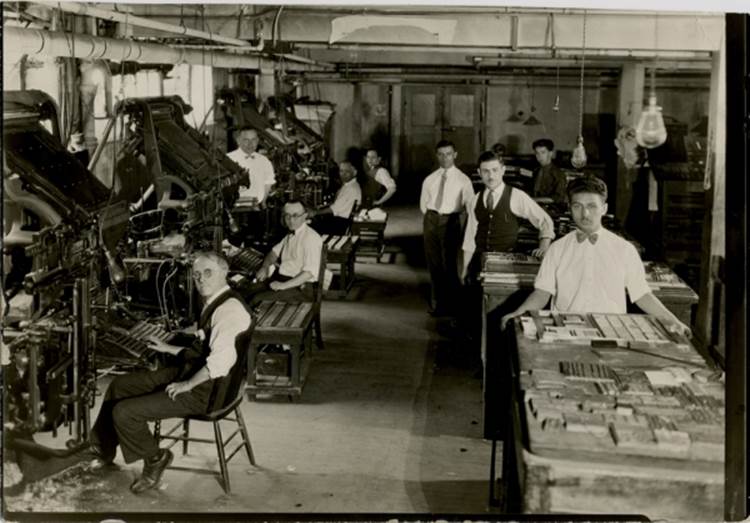
Men seated at printing machines or standing next to typesetting tables inside the Keneder adler print shop. Montreal, ca. 1930s.Photo Credit : Jewish Public Library - Archives -
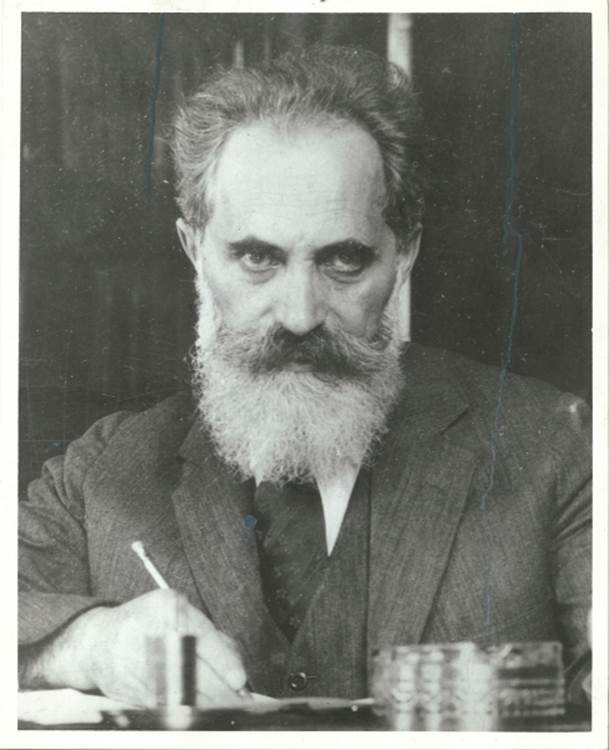
Reuben Brainin, ca. 1900s.Photo Credit : Jewish Public Library - Archives -
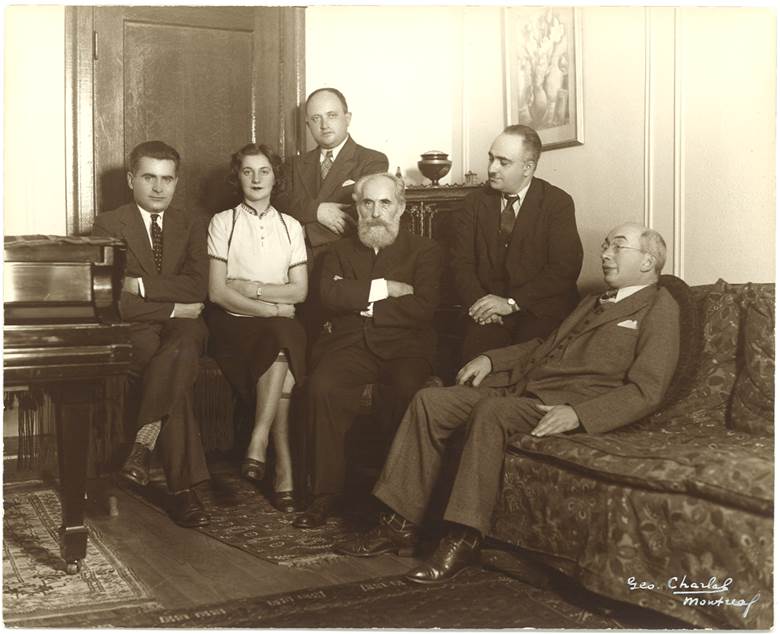
Reuben Brainin on a visit to Montreal, 1930s, together with local authors. Left to right: Israel Rabinovitch, Dora Rosenfeld (Brainin's secretary), Israel Medres, Brainin, Mordechai Ginsburg, B.G. Sack.Photo Credit : Jewish Public Library - Archives -
Chava, standing in back, giving a reading in London, March 1949.Photo Credit : http://chavarosenfarb.com/photos -
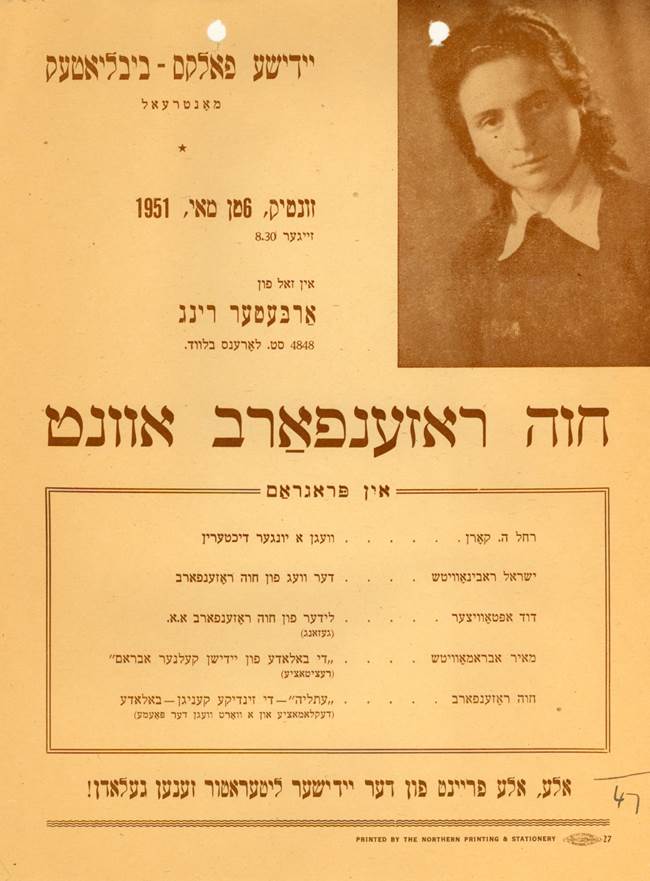
Yiddish poster for Chava Rosenfarb’s poetry from 1951.Photo Credit : Alex Dworkin Canadian Jewish Archives -
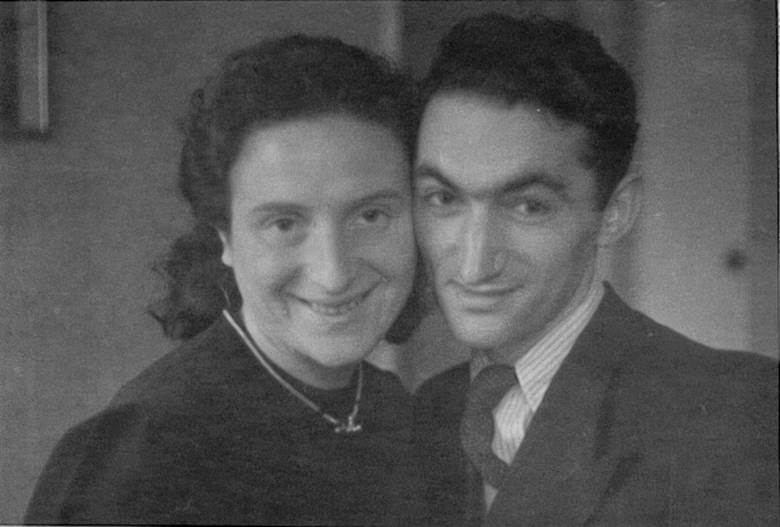
Chava and Henry Morgentaler her husband –n.d.Photo Credit : http://chavarosenfarb.com/photos -
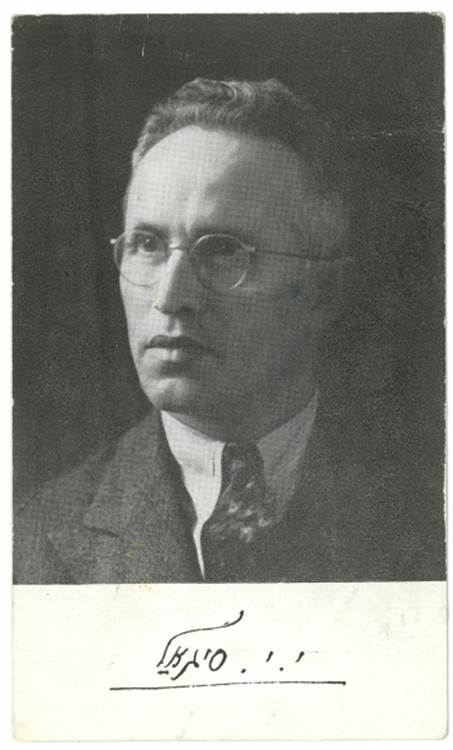
Pamphlet, with portrait of J. I. Segal, advertising an event for J.I. Segal and the publication of his book Lider Un Loybn, at the Folkshule on 5210 Waverly, ca. 1944.Photo Credit : Jewish Public Library - Archives -
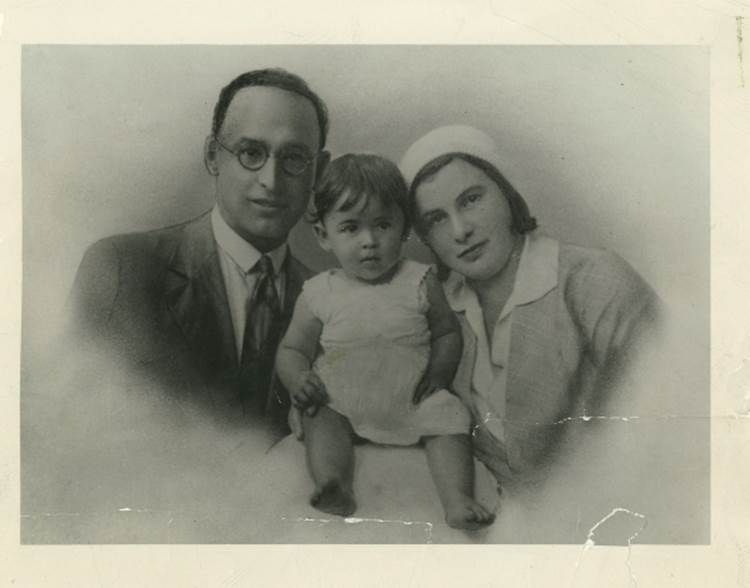
J. I. Segal, his wife Elke Rosen, and their daughter, ca. 1930s.Photo Credit : Jewish Public Library - Archives -
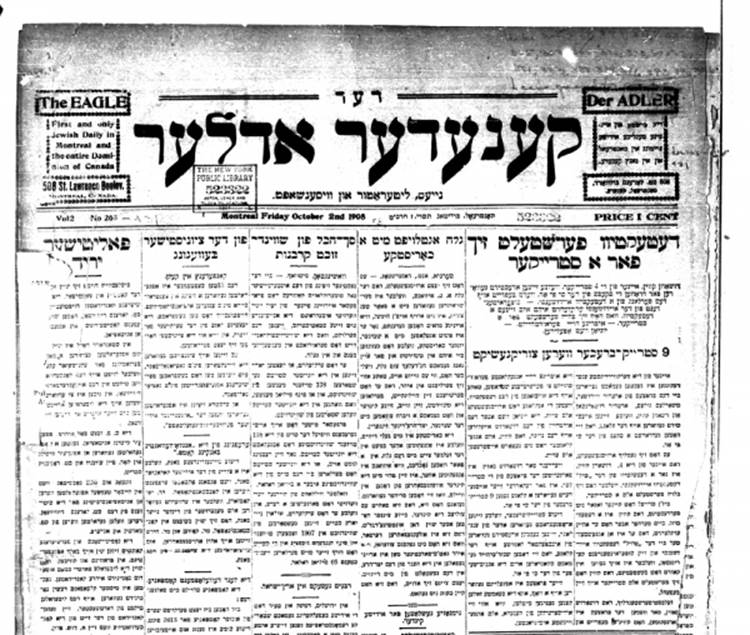
Front page of the first issue of the Keneder adler, 1908.Photo Credit : Jewish Public Library - Archives
Yiddish Writers
Beginning in 1900, a significant number of Eastern European Jews immigrated to Canada, establishing themselves in Montreal. Coming from the Tsarist Empire, these newcomers brought their centuries-old Ashkenazi culture along with them. This produced, among other things, lots of high quality Yiddish literature in Montreal.
Several scholars from this wave of Jewish immigration went on to produce a Yiddish language cultural current in Quebec second in North America only to the one that flourished in New York. This fact is not very well known outside the Jewish community, however, because few French studies and translations conveyed the significance of the Montreal Jewish community’s cultural influence.
The Montreal Yiddish literary movement began in 1907 when a Polish immigrant, Hirsch Wolofsky, started publishing his daily Yiddish newspaper, Keneder adler (Canadian eagle), from his shop on Saint Laurent Boulevard. At this point, the Montreal Jewish population was large enough for the project to be financially viable. Recognizing the popularity of his Yiddish publication within the Jewish community, Wolofsky reached out to the Eastern European intellectual Reuben Brainin to manage his newspaper. Brainin came to Montreal in 1912. Within a few years of his arrival, he had galvanized the Yiddish cultural community, mainly by supporting the creation of schools and, in 1914, a Jewish public library – which would have a significant impact on the community over the following decades.
Yiddish literature started to take off in Montreal when the young garment factory worker Jacob-Isaac Segal published a book of poetry, Fun mayn velt (From my world), in 1918. Ahead of its time for Yiddish literature, it had a very contemporary style, a theme of openness to the world and the desire to lyrically describe Montreal’s urban environment. Others, such as Sholem Shtern, Yudica and Ida Maze, would express themselves during the interwar period, as well. After the war, Holocaust survivors arrived in Montreal and added to the literary progress that had already been made. One such author was Chava Rosenfarb, who published a poetry collection in 1948 called Di balade fun nekhtikn vald (The ballad of yesterday’s forest). Rosenfarb also wrote a very moving three-volume work about life in the Nazi concentration camps. It was published in Tel Aviv in 1972 under the title Der boym fun lebn (The tree of life).
-
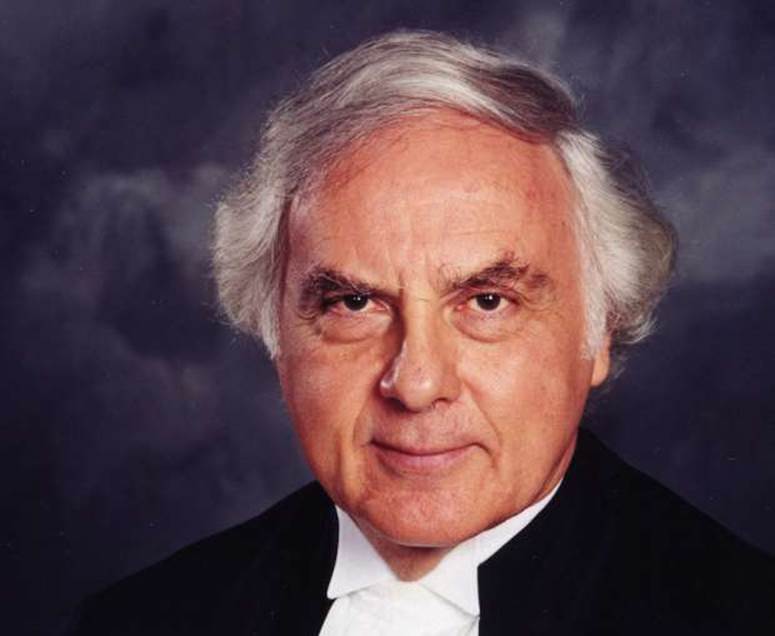
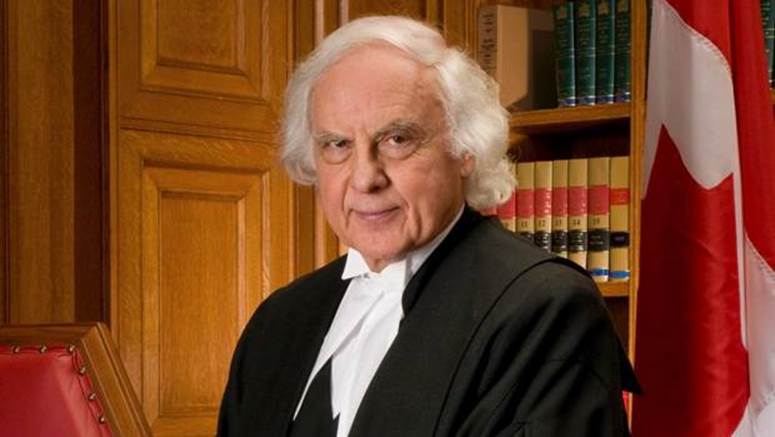
Portrait of Justice Morris Fish prior to his retirement.Photo Credit : Paul Alexander -
Justice Morris Fish.Photo Credit : Handout photo
Justice Morris Fish
The Honourable Morris Fish is a retired Justice of the Supreme Court of Canada, as well as a renowned educator, who taught at McGill, University of Ottawa and the Université de Montréal.
Born in Montreal’s Plateau-Mont-Royal neighbourhood, Fish grew up in the heart of Montreal’s Jewish community and attended the famed Baron Byng High School. He graduated from McGill University’s Faculty of Law in 1962 with several honours and awards. He pursued doctoral studies in law at the Université de Paris, all the while writing on international events for The Montreal Star. Fish was called to the bar in Quebec, PEI and Alberta. Once called to the bar, Fish was to cease any non-legal work, but he continued writing for the media using pseudonyms from 1959 till 1970.
Fish served on the Quebec Court of Appeal from 1989 to 2003, when he was named to the Supreme Court of Canada. During his career, he ruled on many significant legal issues in Canada, such as safe injection sites, same-sex marriage and the legality of prostitution. He was also active in Legal Aid. Fish served as a Supreme Court Justice until his retirement in 2013.
Fish’s list of awards and honours is lengthy, comprising honorary doctorates, honorary fellowships, and medals for his legal contributions, including the Medal of the Bar of Montreal. His rule of thumb is, “Never cross-examine your family.”
Learn more:
https://www.barreaudemontreal.qc.ca/en/avocats/honourable-morris-j-fish-cr
-
Dora Wasserman's Youth Theatre Group.Photo Credit : Jewish Public Library - Archives -
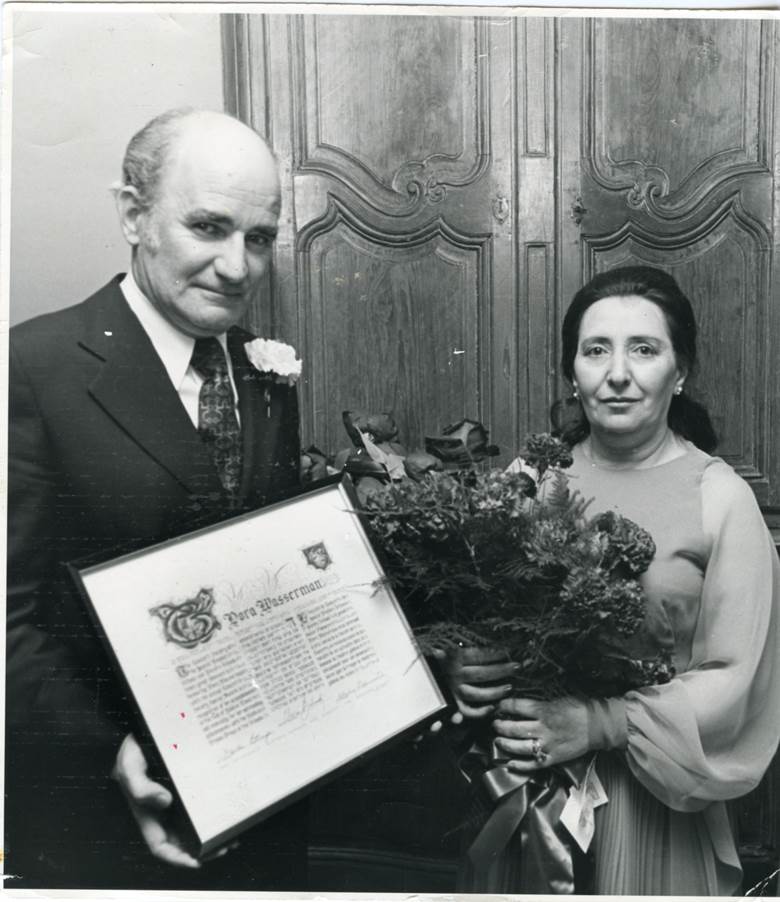
Former Secretary of State, Gerard Pelletier presents framed Jewish People's and Peretz Schools Award to Dora Wasserman for her contributions to Yiddish theatre, 1976.Photo Credit : Jewish Public Library - Archives -
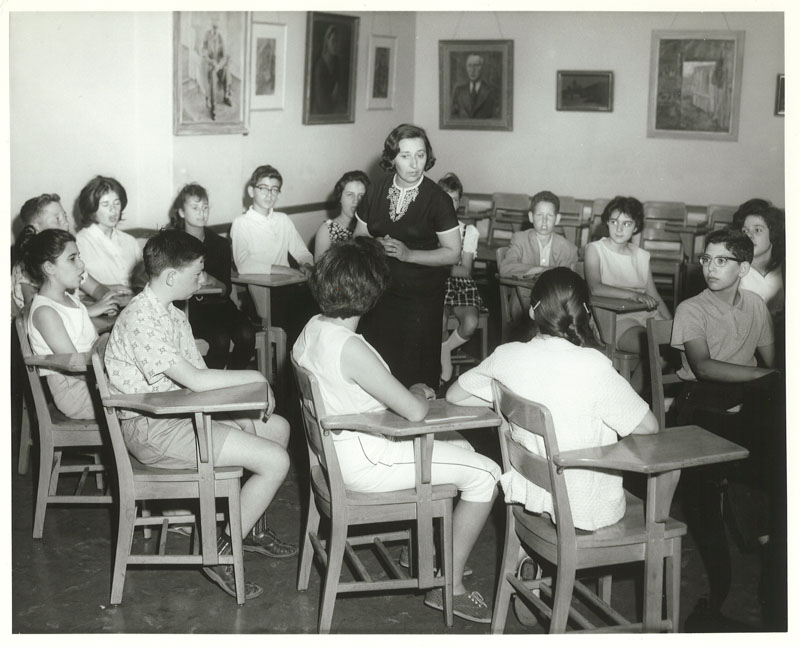
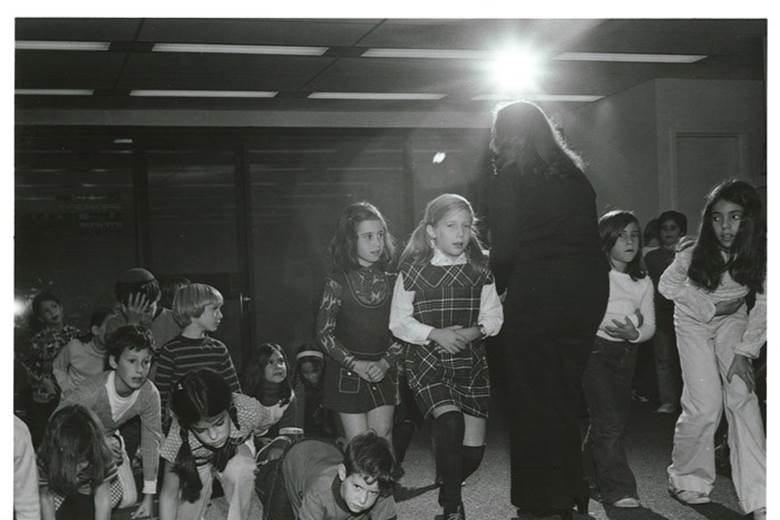
Children doing acting exercises, Dora Wasserman's Youth Theatre Group, 1970s.Photo Credit : Jewish Public Library - Archives -
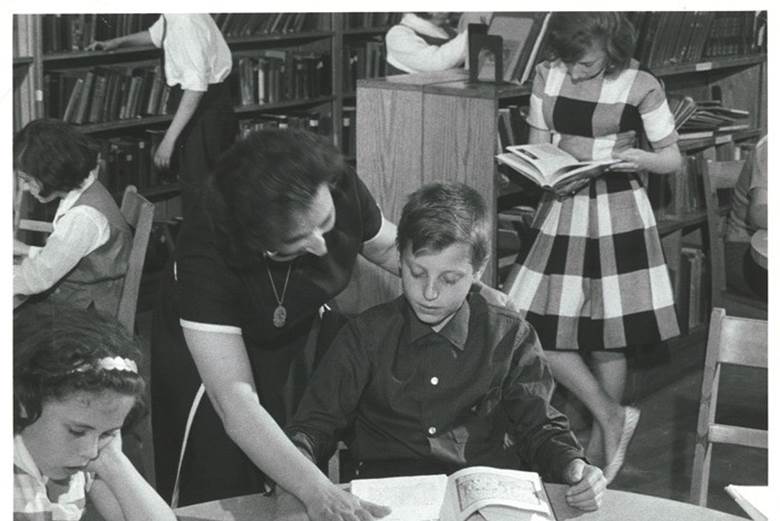
Dora Wasserman, Children's Room, Jewish Public Library (4499 Esplanade).Photo Credit : Jewish Public Library - Archives -
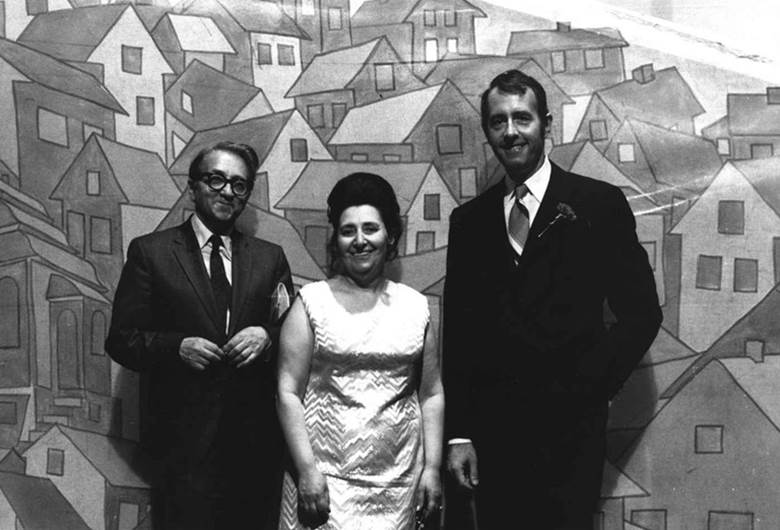
Dora Wasserman stands in front of the Sages of Chelm backdrop, 1971.Photo Credit : Alex Dworkin Canadian Jewish Archives -
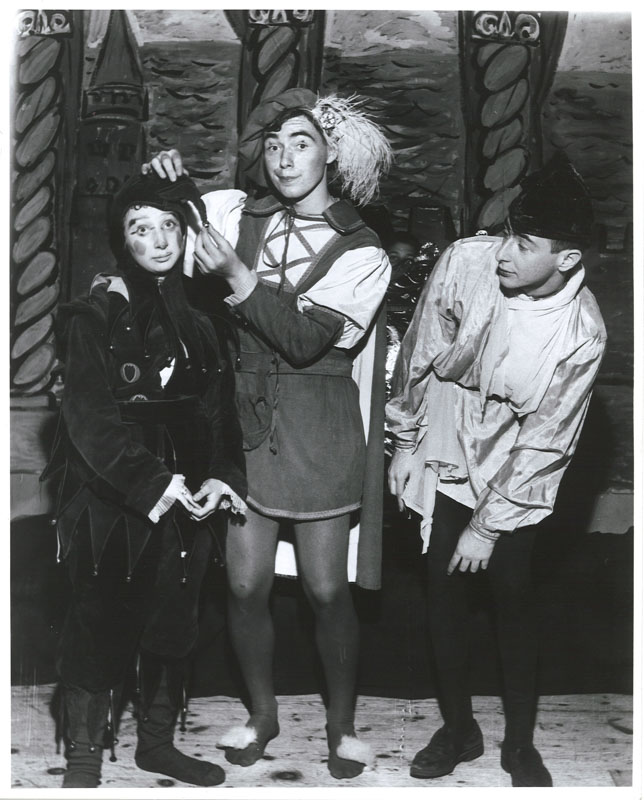
Dora Wasserman's Youth Theatre Group performers, 1960s.Photo Credit : Jewish Public Library - Archives -
Dora Wasserman's Youth Theatre Group performers, 1960s.Photo Credit : Jewish Public Library - Archives
Dora Wasserman
Born in a small Ukrainian shtetl, Dora Wasserman went on to become a beloved Montreal actress, playwright and theatre director, who founded Canada’s only surviving Yiddish Theatre.
Wasserman, the youngest of five daughters, was born to a humble Jewish family. Her father was a locksmith and her mother was a homemaker. She was first introduced to professional theatre in 1934, through Moscow’s Rimsky Korsakov Conservatory. Wasserman then auditioned and was accepted at the Jewish Theatre of Moscow, from which she graduated in 1939.
By 1940, though, Stalin had shut down most of the country’s Yiddish theatres, and conflict was intensifying all across Europe. Wasserman and several of her colleagues fled to Kazahkstan. There, she joined the Kazakh Theatre and met her husband, a Polish refugee named Shura (Sam) Wasserman. The couple spent several years moving between Displaced Persons camps before finally settling in Montreal in 1950. They had two daughters, Ella and Bryna.
In Canada, just as she had in the refugee camps, Wasserman turned to entertaining for survival. She sang, performed and acted in local Yiddish productions, and created a children’s theatre workshop at the Jewish Public Library. This led to the formation of her company for adults, the Yiddish Drama Group, in 1956. Wasserman’s Yiddish theatre company was a big success, helping to reinvigorate Yiddish language and culture after it was nearly destroyed during the Holocaust. The company frequently toured in Canada, the US, Israel and Russia. In 1973, The Dora Wasserman Yiddish Theatre moved into the Saidye Bronfman Centre – now known as the Segal Centre for Performing Arts – where it is still in operation today.
For her dedication to the development of Yiddish and Canadian theatre, and to multiculturalism within the arts, Wasserman was recognized with the Order of Canada, inducted as a Knight of the National Order of Quebec, and given a lifetime achievement award by the Quebec Academy of Theatre.
Learn more:
http://jwa.org/encyclopedia/article/wasserman-dora
https://web.archive.org/web/20100221191200/http://www.jewish-theatre.com/visitor/article_display.aspx?articleID=444
http://theseniortimes.com/article/2009/05/dora-wasserman-if-play-is-good-you-will.html
-
Edward Bronfman.Photo Credit : http://icehockey.wikia.com/ -
Peter Bronfman.Photo Credit : http://icehockey.wikia.com/
Edward and Peter Bronfman
Edward and Peter Bronfman achieved enormous success in the business world and were deeply committed to philanthropy.
Upon selling their stake in Seagram in the late 1950s, they used their capital to found Edper Investments, eventually becoming Brascan. Together, the Bronfman brothers built it into one of Canada’s lowest-key, but most powerful, conglomerates in a variety of sectors including banking, real estate, breweries, insurance and professional sports. By the early 80s, their portfolio of interests was estimated to be worth as much as $80 billion.
In addition to a vast real estate portfolio, they held major positions in blue chip companies like Labatt Breweries, London Life, Royal LePage, Bramalea, MacMillan Bloedel and, of course, the storied Montreal Canadiens Hockey Club (from 1971 to 1978).With owners Edward and Peter, Sam Pollock as the wizard-like GM, plus Scotty Bowman behind the bench, the Habs won multiple Stanley Cups and built a dynasty that showcased such legendary players as Yvan Cournoyer, Guy Lafleur, Ken Dryden, Serge Savard, Bob Gainey and Larry Robinson. If you were a hockey fan growing up in the 70s, you expected the Habs to win the Cup year after year, which they did more than any other NHL franchise.
Edward and Peter were also deeply committed to philanthropy and showed great support for the Canadian Council of Christians and Jews, The United Way, Combined Jewish Appeal, plus countless hospitals and universities. They both received the Order of Canada for their outstanding contributions to social causes.
Today, Edward’s son Brian helms the Brian Bronfman Family Foundation in Montreal, dedicated to supporting creative initiatives that have a concrete impact on the lives of individuals and their communities. The Foundation supports a host of endeavors including Centre de resources sur la non-violence, Institut Pacifique, ENSEMBLE for the respect of diversity, Zone de paix, TMCA Peace Medal Awards, Aime comme Montreal and many others.
-
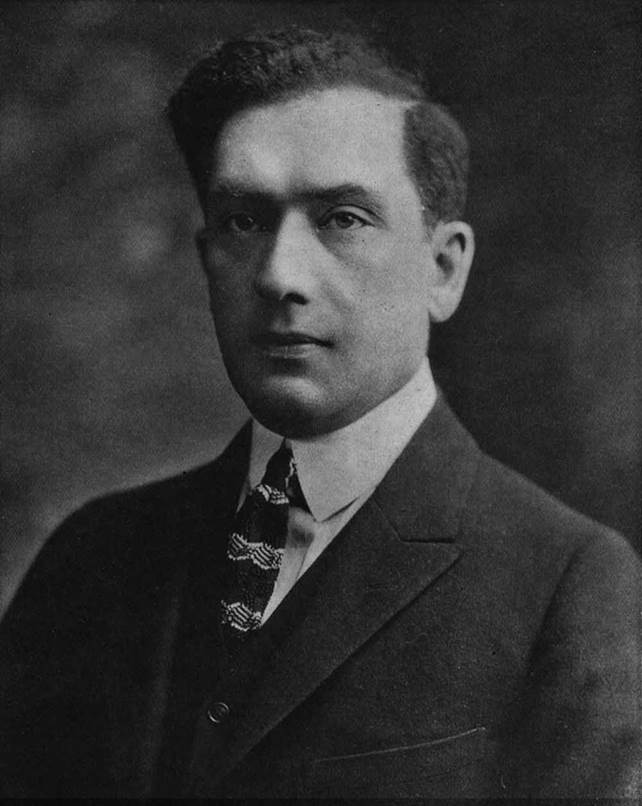
Peter BercovitchPhoto Credit : Alex Dworkin Canadian Jewish Archives
Peter Bercovitch
Peter Bercovitch was a Canadian politician who practiced law in Montreal and acted as one of the primary legal voices representing its Jewish community.
Born to an educated Jewish family, Bercovitch grew up in the vibrant, albeit humble, Plateau neighbourhood. He received his Bachelor of Civil Law from McGill University and then his Master of Laws from the Université de Montreal. In 1901, he was called to the Quebec Bar.
He was elected to the Legislative Assembly of Quebec, representing the Montreal riding of Saint Louis for the Liberal party in 1916, and continued to be re-elected until 1936. In 1938, he was acclaimed to the Canadian House of Commons and represented the Cartier riding until he passed away in 1942.
Bercovitch’s work in municipal government is especially notable due to the anti-Semitism common in Quebec during the first half of the twentieth century. With Jewish immigration stalled, and Canada’s Jews having little representation, Bercovitch acted as a voice for the community. He was also a role model for many Jewish lawyers and politicians to come.
Learn more:
-
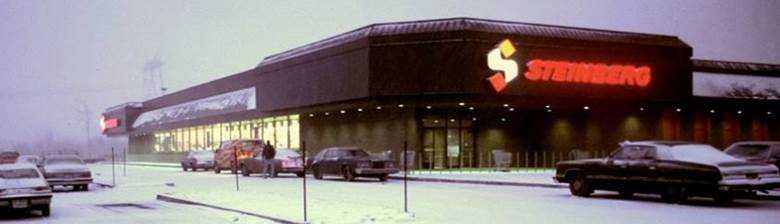
Steinberg's grocery store.Photo Credit : Steinberg Museum -
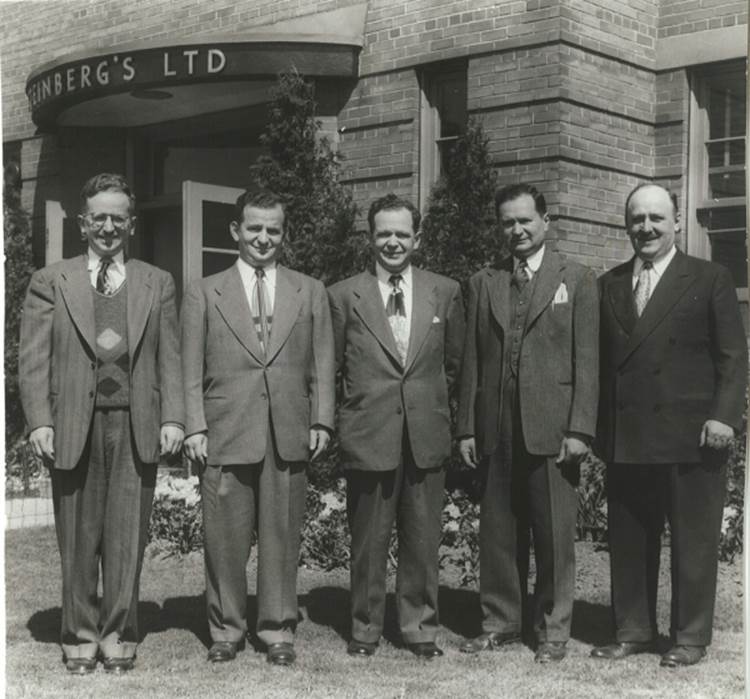
The Steinberg family.Photo Credit : Jewish Public Library - Archives
Samuel Steinberg
Coming soon