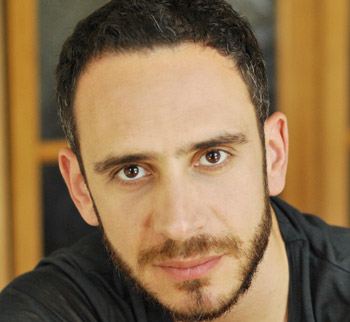
Photo Credit : Alex Dworkin Canadian Jewish Archives
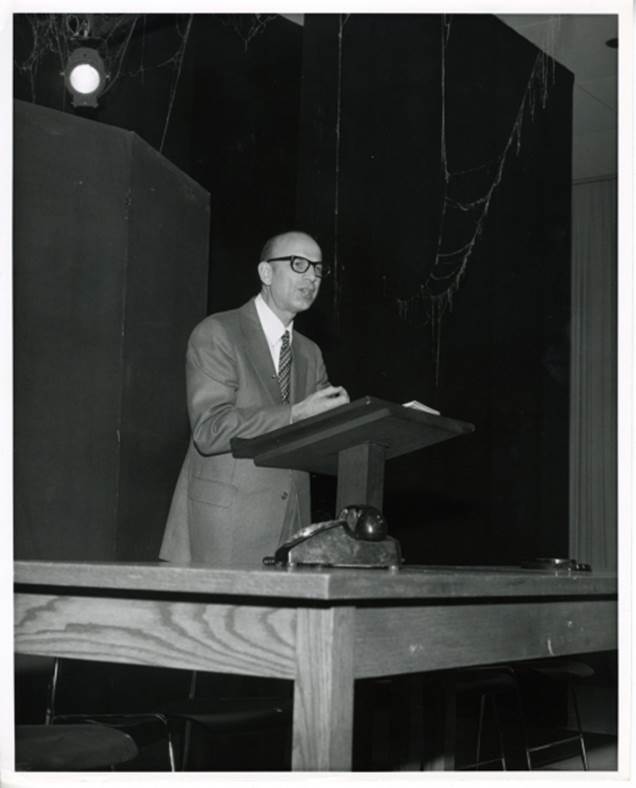
Manuel Batshaw at podium, 1972.
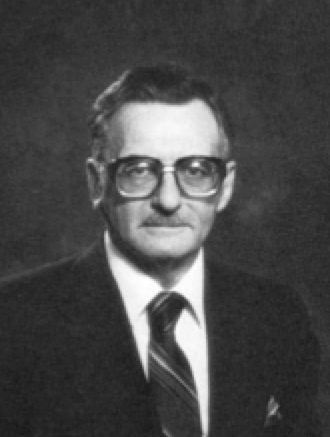
Photo Credit : Jewish Public Library - Archives
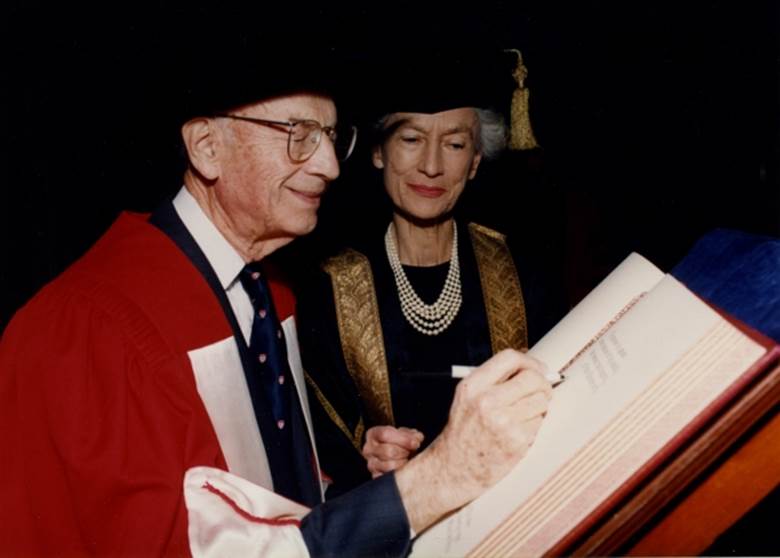
Manny Batshaw receiving his LLD from McGill University.
Photo Credit : Jewish Public Library - Archives
1915 - 2016
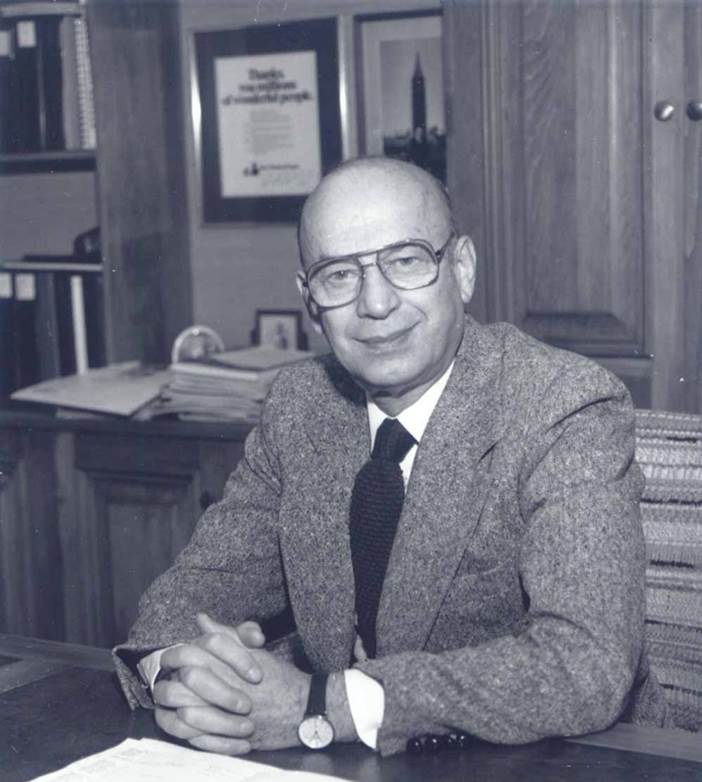
Manny Batshaw
Manuel Gilman Batshaw (Manny) was an influential and well-respected Montreal social worker, who helped found Batshaw Youth and Family Centres.
Batshaw’s parents, Tuvieh Batshaw and Golda Batshaw (née Gelman), immigrated to Montreal from Russia in 1903. He was the youngest of four sons, and the family had a very limited income. While his father worked outside of the home, Batshaw’s mother ran a small grocery store from their living room.
In 1942, Batshaw volunteered for the Canadian Armed Forces, where he attained the rank of Captain. After the war he was invited to become the Executive Director of the Red Cross in Montreal. Between 1947 and 1968, he lived in Philadelphia, Hamilton, Atlanta, Newark, New Jersey and New York. Then, the Allied Jewish Community Services (AJCS) asked him to return to Montreal to be their Executive Director; Batshaw agreed, remaining in that position until 1980.
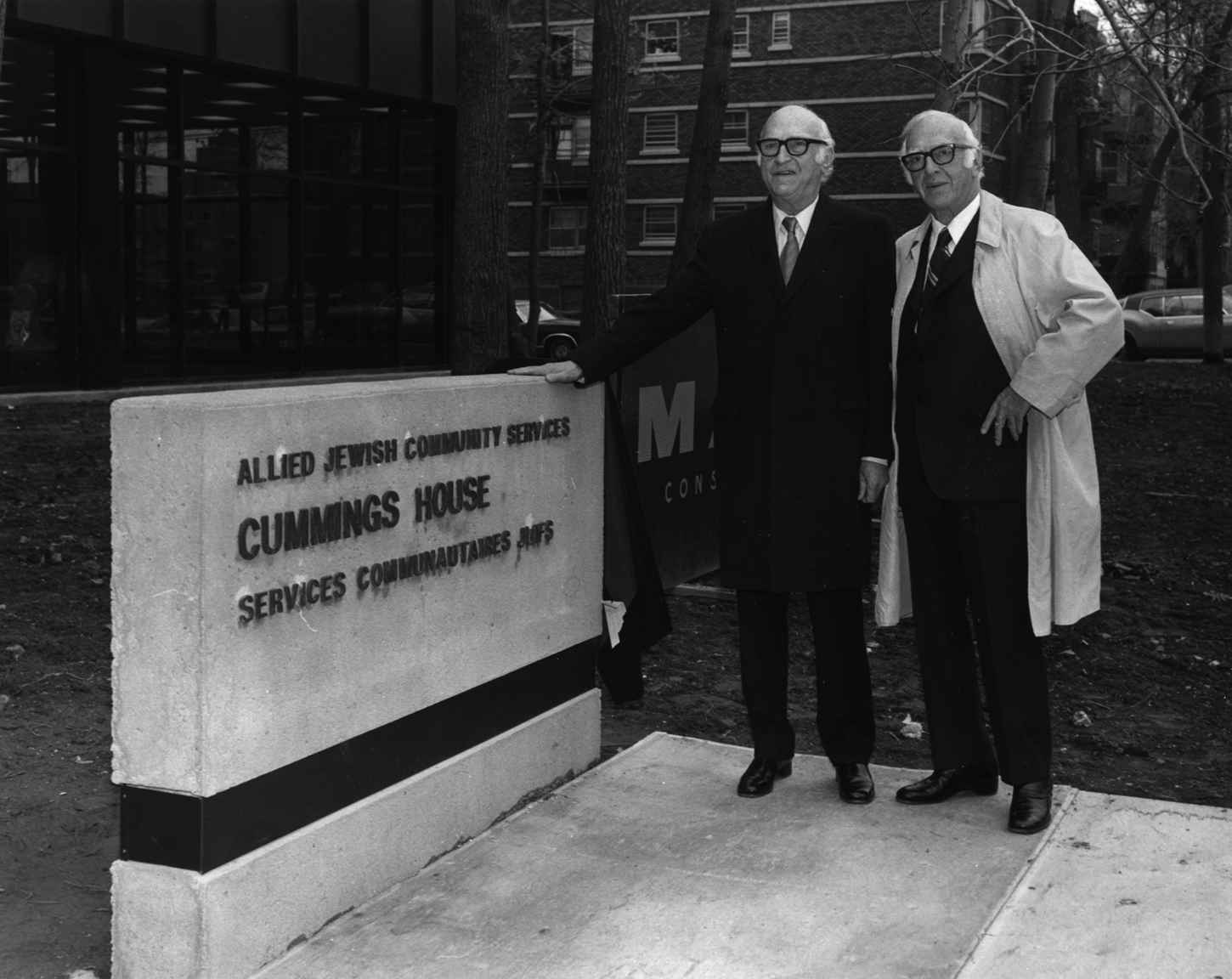
During the AJCS’s “Batshaw Era,” fundraising increased five-fold, the organization expanded and many buildings, such as Cummings House, were built. Following the implementation of Bill 65, Batshaw made it his personal mission to look after his people and to reassure the community about their place in Montreal. He insisted on making it the right of all Jewish children to have a Jewish education, he helped to integrate the Francophone Sephardic population into the AJCS, he organized trips for students to visit Israel, and in the face of possible Quebec separation (when many Anglophone Jews were leaving the province), he fought for French immersion education in Jewish schools. His compassion was felt far beyond the walls of AJCS.
In 1974, following TheMontreal Gazette’s story detailing the maltreatment of children in a welfare institution in La Prairie, Batshaw’s recommendations on institutional change were published in the local newspapers, and soon after, almost all of them were implemented. Batshaw was then asked to spearhead a thorough examination of the province’s other institutions, which culminated in an 11-volume report informally titled The Batshaw Committee Report. This led to the enactment of Bill 24, Quebec’s Youth Protection Act. In 1993, when the five Anglophone child welfare institutions of Quebec amalgamated, the new name was an easy choice: Batshaw Youth and Family Centres.
After his retirement from AJCS in 1980, Batshaw joined Claridge Inc. at the request of his friend Charles Bronfman, as the Consultant on Philanthropy and Jewish Affairs. He retired from this position in 1998. Batshaw was honored for his trailblazing career with the Order of Quebec, as well as the Order of Canada, and an honorary degree of Doctor of Law by McGill University.
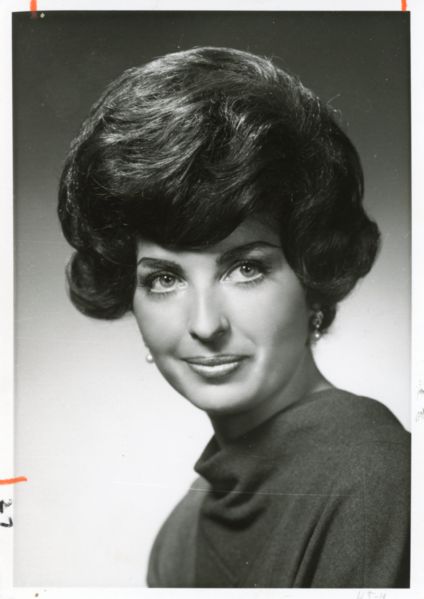
Photo Credit : Board of Trade of Metropolitan Montreal
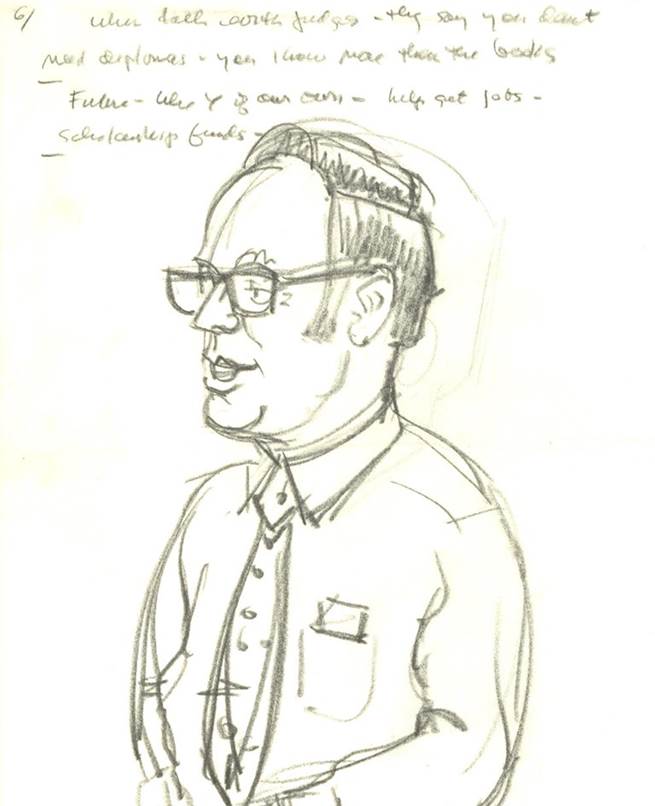
Sid Stevens sketch and profile by Lou Seligson in the Montreal Star, 1973.
Photo Credit : Alex Dworkin Canadian Jewish Archives
1941 -
Sid Stevens
The co-founder of Sun Youth, Sid Stevens, is a social and community developer who has devoted his life to uplifting economically struggling individuals and communities throughout Montreal.
Stevens grew up in an Ashkenazi Jewish family, surrounded by a supportive community, yet, like many new immigrants, he struggled to escape poverty. His insider’s understanding of the difficulties faced by many vulnerable families inspired him to find practical solutions to issues affecting people in his community; he went on to use his own challenges as fuel to combat social inequalities for future generations.
In 1954, when Stevens was still a teenager, he and his friend Earl De La Perralle created a recreation group for neighbourhood youth, which became the prototype for Montreal’s community service organization, Sun Youth. Today, Sun Youth provides a wide range of services to over 300,000 individuals in Montreal. The thriving organization, which Stevens is Executive Vice President of, runs programs including food and clothing banks, youth summer camps, emergency services, crime prevention services and recreational facilities.
In addition to his work with Sun Youth, Stevens was elected to Montreal City Council in 1978, and quickly earned the admiration of the broader Montreal community with his compassion, leadership and public service initiatives.
Stevens has received many accolades for his dedication to the community. In 1986, he was given the Dawson College Award for his outstanding contribution to public life. In 1989, the Department of Multiculturalism and Citizenship awarded him a citizen’s commendation. In 1992, he was honoured by the Quebec Psychiatric Association for his social commitment and recognized by the Conseil du citoyen de Montréal for his generosity to the community and his contribution to the well-being of his fellow citizens and humanity in general. He was a finalist for Entrepreneur of the Year in 1995. In 2002, McGill University awarded him an honorary doctor of laws. And in 2009, the Jewish Eldercare Centre Auxiliary honoured him for his outstanding contribution to the community.
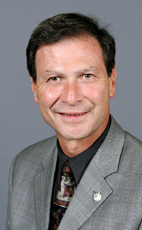
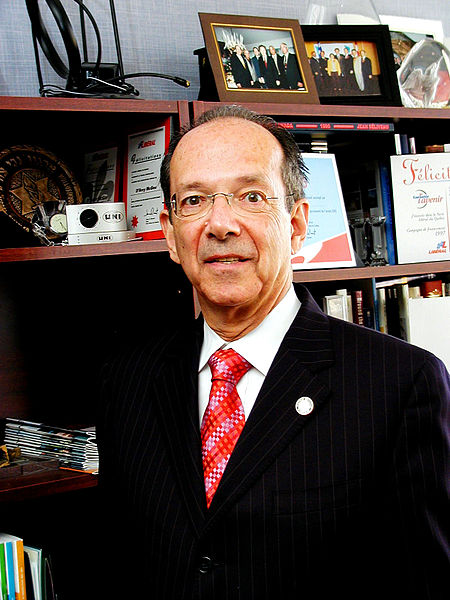
Lawrence Bergman is a Canadian notary and the former Minister of Revenue of Quebec.
Born in Montreal, Bergman graduated from Sir George Williams University and from Université de Montréal’s Faculty of Law. He worked as a notary from 1965 until 1994, when he was named Minister of Revenue in the Quebec government. He was first elected to the National Assembly as the Liberal representative for D’Arcy-McGee in 1994. He was re-elected five times, sometimes winning more than 90% of the eligible votes, until his retirement in 2014. In 2003, he was named Minister of Revenue by Premier Jean Charest and served in that capacity for four years. In 2008, he served as the President of the Cabinet Caucus.
The recipient of multiple awards, including the Jerusalem Prize and the décoration du Rayonnement culturel de la Renaissance française, Bergman has also served on the boards of multiple organizations, including several synagogues and a B’nai B’rith Lodge. He is a member of the Jewish Community Council of Montreal and an advisor to the Department of Religious Studies of McGill.
Marc Gold
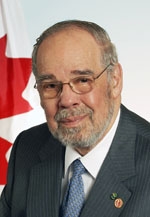
Marc Gold is a senator, lawyer, academic and community leader.
Son of the late Judge Alan B. Gold, Chief Justice of the Quebec Superior Court, Gold earned his undergraduate degree at McGill, his LL.B at the University of British Columbia, and his LL.M from Harvard Law School. He is considered an expert in Canadian constitutional law, was one of a handful of academics asked to provide training for federally-appointed judges in constitutional law, and has worked as a law professor at both Osgoode Hall and McGill.
Gold is a former Vice President of Maxwell Cummings and Sons, a position he held for 23 years, and has been an active and integral member of the community of Quebec for many years. Amongst his numerous roles, he is the former chair of the non-profit organization Ensemble pour le respect de la diversité, which provides education against discrimination in schools in Quebec and Canada. He served on the Board of Directors of Université de Montréal for 16 years and was named administrateur émérite in recognition of his service to the university in 2016. He also sits on the executive committees of both the Montreal Symphony Orchestra and Centraide of Greater Montreal. Within the Jewish community, he is a former President of both the Jewish Federations of Canada-UIA and Federation CJA.
Gold is a part-time member of the Parole Board of Canada. In 2016, he was appointed by Prime Minister Justin Trudeau to the Senate as an Independent.
Yoine Goldstein
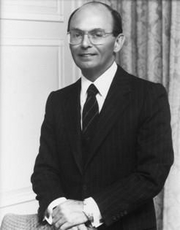
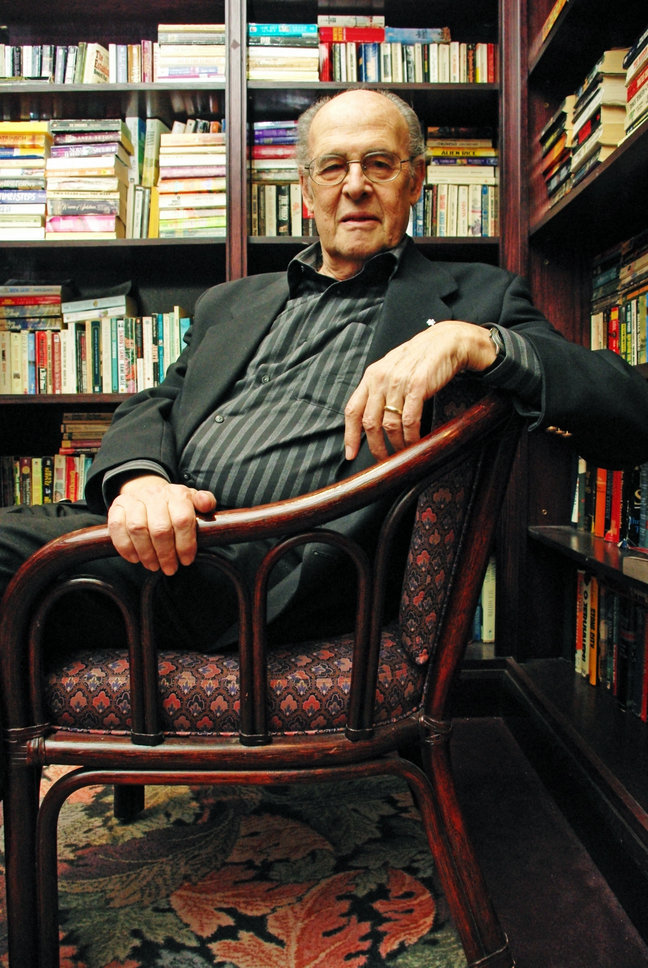
Lifelong Montrealer Yoine J. Goldstein is an internationally-respected lawyer, academic and former Senator, especially known for his work dealing with issues of insolvency.
He earned a BA (1955) and a BCL with honours (1957) from McGill. In 1960, he received a LLD from Université de Lyon, and he was called to the Quebec Bar in 1961. He went on to become the senior and managing partner of the Montreal law firm, Goldstein, Flanz & Fishman.
In 2005, Goldstein was appointed to the Senate as a member of the Liberal caucus. He served as the Vice-Chairman of the Banking, Trade and Commerce Committee and was appointed special counsel to the Senate Standing Committee on Banking, Trade and Commerce. He is the Founding Director and member of the National Executive Committee of the Insolvency Institute of Canada, as well as the Founder and Quebec Chairman of the Quebec Section on Bankruptcy (Canadian Bar Association). In addition to his legal and political positions, Goldstein has served the Jewish community in numerous leadership positions, including as President of Federation CJA (1995-1997). He currently works with McMillan LLP in Montreal as a Senior Counsel Member on the Advisory Board.
Goldstein has been honoured with the Lord Reading Law Society Human Rights Award (1992), the Lord Reading Law Society Service Award (1998), the Bar of Quebec’s Order of Merit (2001), The Bar of Quebec’s Advocatus Emeritus (2007) and the Queen’s Diamond Jubilee Medal (2012).
Anthony Housefather
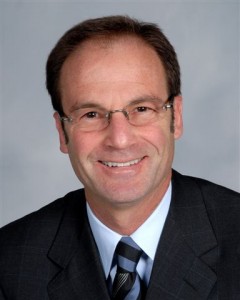
Montreal-born Anthony Housefather worked in municipal politics for several years before becoming a Member of Parliament for Mount-Royal.
Housefather became Vice President of the Liberal Party of Canada and then councillor for Hampstead. In 2000, he served as President of Alliance Quebec for one year before being elected as councillor for Cote-St-Luc-Hampstead-Montreal West. In 2005, he became mayor of Cote St-Luc. In 2015, he was elected as Member of Parliament for Mount Royal, replacing the retiring Irwin Cotler. He has since been named Chair of the Standing Committee on Justice and Human Rights.
Leo Kolber
Leo Kolber has had a long, diverse career, culminating in being appointed Senator for Victoria, Quebec between 1983 and 2004.
After receiving his law degree from McGill University in 1952, he became involved in Bronfman family ventures, including as President of a family holding company for Samuel Bronfman’s children, as well as the Seagram’s purchase of a stake in DuPont. In fact, Kolber has been referred to in books and articles as the “non-Bronfman Bronfman.” In 1987, Kolber founded the Cadillac Fairview Corporation, one of the world’s leading real estate developers – responsible for the Eaton Centre, among other projects. Since then, Kolber has gone on to hold a number of positions, including on the boards of TD Bank and MGM, and was President of the Jewish General Hospital.
He entered the political world when he became the chief fundraiser for the Liberal Party of Canada, and eventually was appointed to the Senate of Canada in 1983. He has also held the position of Chair of the Advisory Council on National Security.
In 2007, Kolber was made an Officer of the Order of Canada. Kolber has also been an important philanthropic figure in Montreal and Canada, and has been significantly involved with Federation CJA.
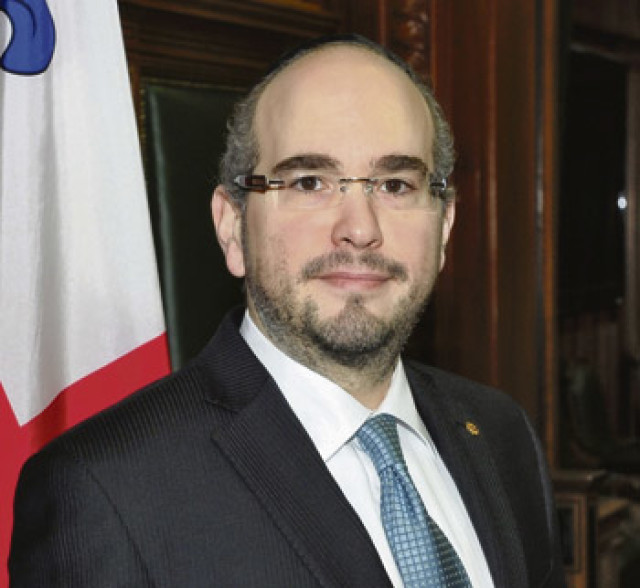
Lionel Perez
Lionel Perez is a Montreal lawyer, businessman and municipal politician.
Perez holds law degrees from Université de Montréal and Osgoode Hall and also has a BA in political science. His legal documenting service, which he developed before entering politics, is highly respected. He was first elected in 2009 and has remained an elected member of the borough ever since, including a one-year stint as mayor of Cote-des-Neiges-NDG. As an Orthodox Jew, he was outspoken against Quebec’s attempt to regulate face veils.
Lazarus Phillips
Lazarus Phillips was a Canadian lawyer and senator.
After serving in World War I, Phillips graduated with a law degree from McGill. He was senior partner at Phillips and Vineberg. In 1943, he lost his bid to be elected federal member of Parliament for the riding of Cartier, to Fred Rose, Canada’s only communist MP, although he performed better than the CCF’s David Lewis. He has served as President of United Talmud Torahs, as well as Director of the Royal Bank of Canada. He was named to the Senate in 1968 and retired two years later.
Mindy Pollak
Mindy Pollak is the first Hasidic female city councillor in Montreal’s history.
Born and educated in Montreal, Pollak co-founded Friends of Hutchison in 2011 to facilitate encounters and discussion among Hasidim and their neighbours in Outremont. She entered municipal politics at the tender age of 24 in her home borough to continue her work on communal relations. Fluently bilingual, she was elected as the Borough Councillor for the Claude Ryan district in 2013. In response to a reporter’s question about the image of Hasidic women as docile and shy, Pollak asked, “Do I seem meek to you?”
Jacques Saada
Jacques Saada is a Canadian teacher, businessman and politician.
Born in Tunis, Saada spent his adolescence in Paris and arrived in Montreal in 1969. He was a linguistics and translation teacher prior to his entrance into politics as school commissioner. He became President of the Liberal Party, and was elected to Parliament for the riding of Brossard-la Prairie in 1997. In 2003, then Prime Minister Paul Martin assigned Saada a cabinet position and made him responsible for the House of Commons, democratic reform, economic development Canada and la Francophonie. He retired from public life and was named President and Chief Executive Officer of the Quebec Aerospace Association until he stepped down in 2011.
Dr. Ronald Melzack revolutionized the study and treatment of pain; his avant-garde theories on pain mechanisms and control have had a significant impact on all areas of medicine related to patient suffering.
Born in Montreal, Melzack received a PhD in Psychology from McGill University in 1954.
In 1965, at the Massachusetts Institute of Technology (MIT), he developed, along with the neuropsychologist Patrick Wall, the gate control theory of pain, one of the most cited theories in neuroscientific studies.
This revolutionary theory is based on the premise that pain is a multidimensional subjective experience “modulated” by our past experiences and that it “is not in our nerves but in our heads.” Gate control theory of pain has led to the discovery of endorphins and enkephalines – opiates which are found naturally in the human body.
Melzack is the author of the renowned “McGill Pain Questionnaire.” Translated into more than 20 languages, it is the most widely used method in the world for measuring pain in clinical studies. Melzack is the founding editor of Wall & Melzack’s Textbook of Pain. He is also a founding member of the International Association for the Study of Pain.
The scientific research conducted by Melzack has demonstrated that human beings are born with a “genetically determined neural network that generates the perception of the body, the sense of self, and can also generate chronic pain, even when limbs show no signs of pain.”
Along with Dr. Joseph Stratford, Melzack founded the first pain treatment clinic at the Royal Victoria Hospital, and was the clinic’s Research Director from 1974 to 2000. He was also the co-founder of the first pain treatment clinic at Montreal’s Jewish General Hospital, in 1974. These two clinics, affiliated with McGill University’s Health Centre, have become among the best international pain treatment centres.
Melzack was elected a Fellow of the Royal Society of Canada in 1982 and was the first recipient of the E.P. Taylor Chair in Pain Studies at McGill University. He has received many prestigious honours and distinctions, such as the Prix du Québec, the Order of Canada, the National Order of Quebec, and the Grawemeyer Award for his research in pain treatment. In 2009, he was inducted into the Canadian Medical Hall of Fame.
Ronald Melzack is Professor Emeritus at McGill University.
Arts & Culture
Share
Ariel Ifergan.
Photo Credit : Canadian Jewish News
1977 -
Ariel Ifergan
Montreal native Ariel Ifergan is an actor and director for both theatre and television, who also co-founded the artistic production company Les Productions Pas de Panique.
Ifergan’s career in the performing arts began in 2009. He has played various roles in some 20 Quebec productions, on stage and on television. He has also directed a number of critically-acclaimed theatre productions. He holds a degree in Performing Arts from the Université du Québec à Montréal (UQAM).
Ifergan has performed in several popular television series in Quebec including: Virginie, Délirium, Watatatow, Tout sur moi, Bienvenue aux dames, Trauma, Jeunes loups. In 2007, in a virtuoso performance, he portrayed every character in Z comme Zadig, an adaptation of Voltaire’s famous play, co-written with director Anne Millaire.
He has directed two plays so far: L’Augmentation by Georges Perec in 2013 and Le Visiteur by Éric Emmanuel Schmidt in 2016.
He has also acted in two short films: Sur la ligne, produced by Frédéric Desager, and Next Floor, produced by famed Quebec filmmaker Denis Villeneuve. Next Floor received a Palme d’Or award for Best Short Film at the 2008 Cannes Film Festival.
In 2003, Ifergan and Alexandre Frenette co-founded an artistic production company, Les Productions Pas de Panique. It has won several awards, including first prize in the Quebec Entrepreneurship Contest for the Montreal Region and the Prix pour la jeunesse, awarded by the Agence Québec-Wallonie Bruxelles. Les Productions Pas de Panique creates, produces and broadcasts artistic work for educational purposes.
In 2017, Ifergan will perform in the play Qu’est-ce qu’on a fait au bon Dieu? directed by the famous Quebec actress and producer Denise Filiatrault.
Federation CJA
Share
Red Fisher DYK
Innovation & Science
Share
1919 - 2015
Theodore Sourkes
Theodore Sourkes was a brilliant biochemist and neuropsychopharmacologist whose research played a major role in advancing the treatment of Parkinson’s disease and hypertension, as well as our understanding of psychiatric biochemistry.
Born in Montreal, Sourkes went to high school in Quebec City. During World War II, he worked in Toronto at a chemical engineering company that produced weapons used for the war effort. After the war, he received a Bachelor of Science in Nutrition from McGill University’s MacDonald College and went on to complete a Ph.D. at Cornell University. He spent some time working as an assistant professor of pharmacology at Georgetown University before joining the Merck Institute for Therapeutic Research where his notable discoveries led to the development of the medication Aldomet, the first effective treatment against hypertension. In 1953, he returned to teaching at McGill University’s Department of Psychiatry (at the Allan Memorial Institute of Psychiatry), where he pursued the rest of his academic career.
Sourkes was the director of the neurochemistry laboratory at the Allan Memorial Institute of Psychiatry. He was one of the first researchers to demonstrate that biochemical alterations in specific regions of the brain can also be a cause of mental illness. In addition, he was an internationally recognized pioneer in the field of nutrition, in particular for his studies which led to the use of the substance L-Dopa in the treatment of Parkinson’s disease and the introduction of methyldopa into the pharmacological literature. This medication is largely used to treat hypertension. L-Dopa, which revolutionized Parkinson’s treatment, remains to this day the most effective treatment against the disease.
Sourkes was elected a Fellow of the Royal Society of Canada and an Officer of the Order of Canada. He was the recipient of many prestigious honours and distinctions, including the first Heinz-Lehmann Award in Neuropsychopharmacology and the Wilder-Penfield Prize awarded by the government of Quebec. In 2013, in honour of his significant scientific legacy, McGill University established the Theodore Sourkes Lecture Series in Neuropharmacology.
Sourkes retired professionally in 1991. He was married to Dr. Shena Rosenblatt Sourkes, an anaesthesiologist, for 72 years.
Business and Philanthropy
Share
Jeremy and Stephen Reitman.
Photo Credit : Reitmans Ltd.
Dorothy Reitman.
Photo Credit : Jewish Public Library - Archives
The Reitman Family
When Herman and Sarah Reitman opened a small women’s clothing store on Montreal’s Saint Lawrence Boulevard in 1926, little did they know that it would become such a hugely successful company.
Today, at 90 years in business, Reitmans Canada boasts over 800 stores across Canada, operating under six different banners, including Reitmans, RW & Co., Addition-Elle, Pennington, Hyba and Thyme Maternity, making it Canada’s largest women’s clothing specialty chain, with nearly 10,000 employees.
As the chain flourished, so did the family’s commitment to philanthropy and social causes. Over the years, the family has generously supported Combined Jewish Appeal, The Jack Reitman Hillel House at McGill University, Maimonides Geriatric Centre, The Jewish General Hospital, The Montreal Museum of Fine Arts and the Montreal Neurological Institute.
Of particular note are the examples set by Herman & Sarah’s descendants; Dorothy Reitman,C.M. a past President of The National Council of Jewish Women of Canada, and of the Canadian Jewish Congress; Stephen Reitman, General Campaign Chair of the 2000 Combined Jewish Appeal Campaign and past Board Member of CIJA; Sarah Reitman-Rubin, Women’s Chair of the 2006 Combined Jewish Appeal Campaign & Board Member of North American Womens Philanthropy; Julia Reitman, past President of the Montreal Holocaust Memorial Centre and Chair of Jewish Federations of Canada / United Israel appeal; and Allen Rubin, Past Chair of the Foundation of the Jewish General Hospital and Immediate Past President of the Jewish General Hospital.
Arts & Culture
Share
Norma Shearer.
Photo Credit : Pimbrils
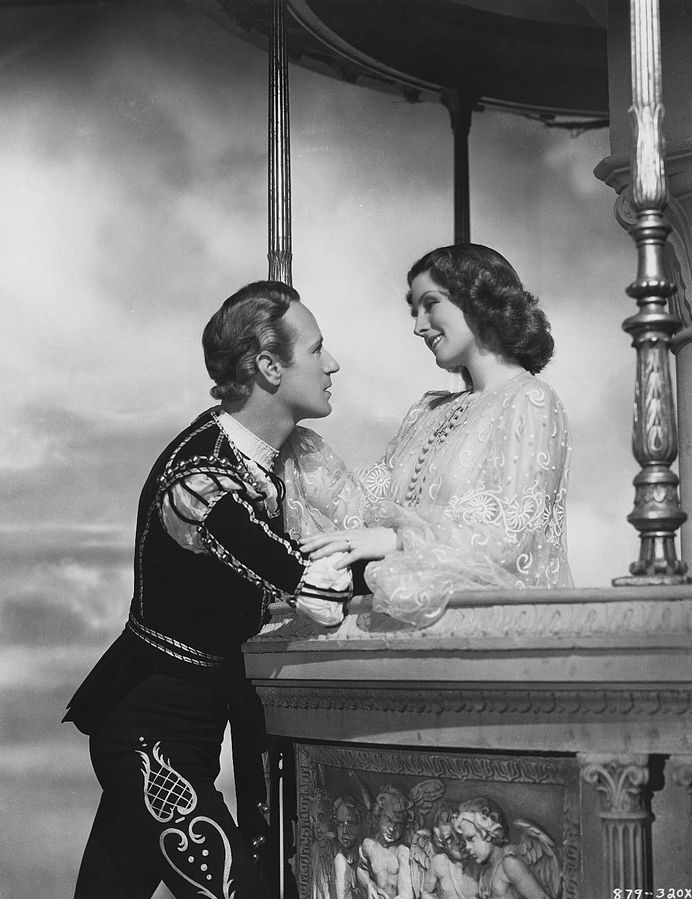
Leslie Howard and Norma Shearer as Romeo and Juliet, in the 1936 MGM film.
Photo Credit : Folger Shakespeare Library Digital Image Collection: http://luna.folger.edu/luna/servlet/s/05ho7r
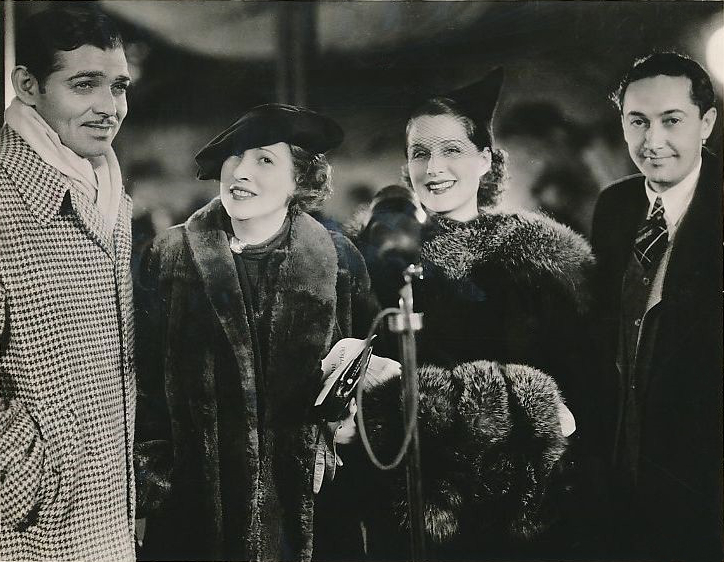
Norma Shearer with her husband Irving Thalberg and Mr. & Mrs. Clark Gable at the screening of the MGM production David Copperfield.
Photo Credit : MGM (Public domain)
Still frame of Norma Shearer from the 1925 film A Slave of Fashion.
Photo Credit : Merritt J Siebald
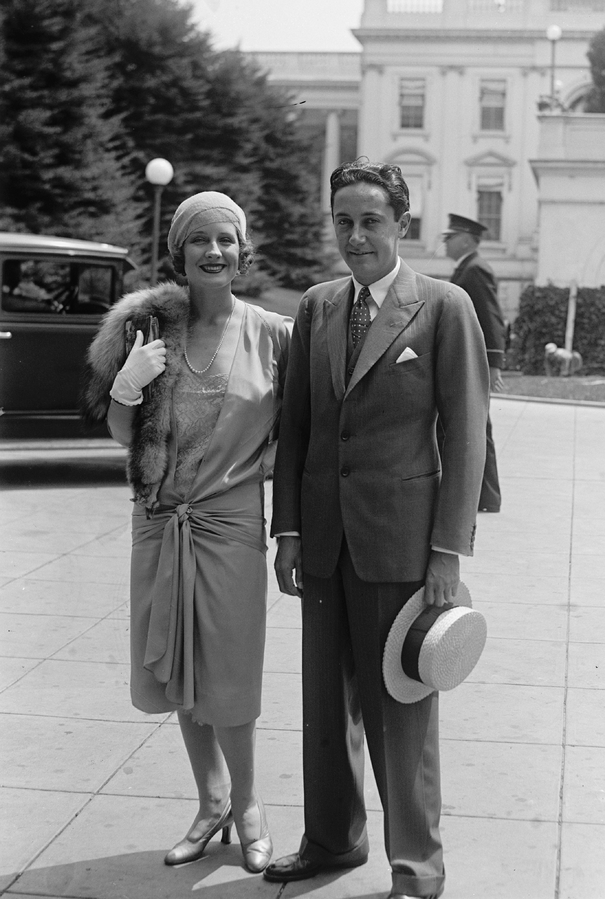
Norma Shearer with her husband Irving Thalberg, 1929.
Photo Credit : National Photo Company
Norma Shearer
Norma Shearer, aka the “Queen of MGM Studios,” was a feminist pioneer and an Academy Award-winning Hollywood actress from Montreal.
The actress (born Edith N. Schearer) lived a comfortable life in Canada until the age of 10, when her father, who suffered from manic depression, lost his construction company and the family became impoverished. Her mother took her and her sister Athole first to New York City and then to Hollywood, pursuing a career in the film industry.
Brimming with talent and determination, Shearer won small roles in movies for Universal Studios, before finding her footing at Metro-Goldwyn-Mayer (MGM). She was a successful actress for three decades, known for playing strong, sexually liberated and/or noble women. Her movies included many comedies and period dramas. While she began her career working in silent pictures, she was able to transition to “talkies” in the 1920s.
Although Shearer was one of the biggest film stars of the 1930s, her reputation waned after her retirement in the 1940s. Her career experienced several revivals, however: in the 1950s, when her films were sold to television; in the 1970s, when her films had theatrical revivals; in 1988, when Turner Network Television started broadcasting her films; and in 1994, when Turner Classic Movies began showcasing her films. In the 1990s, several high-profile books came out that reframed her as an early feminist icon (such as Mick LaSalle’s Complicated Women).
Shearer was of Scottish and Irish descent. She converted to Orthodox Judaism in 1927 to marry producer Irving Thalberg, who was the head of MGM Studios at the time. They had two children together. Even after Thalberg’s untimely death in 1936, Shearer continued practicing Judaism for the rest of her life.
Shearer was nominated for six Academy Awards and won for Best Actress in 1930 with The Divorcee. In recognition of her myriad contributions to the film industry, she was inducted into Canada’s Walk of Fame in 2008 and given a star on the Hollywood Walk of Fame.
Business and Philanthropy
Share
Maxwell and Nathan Cummings outside of Cummings House, circa 1973.
Photo Credit : Alex Dworkin Canadian Jewish Archives