
-
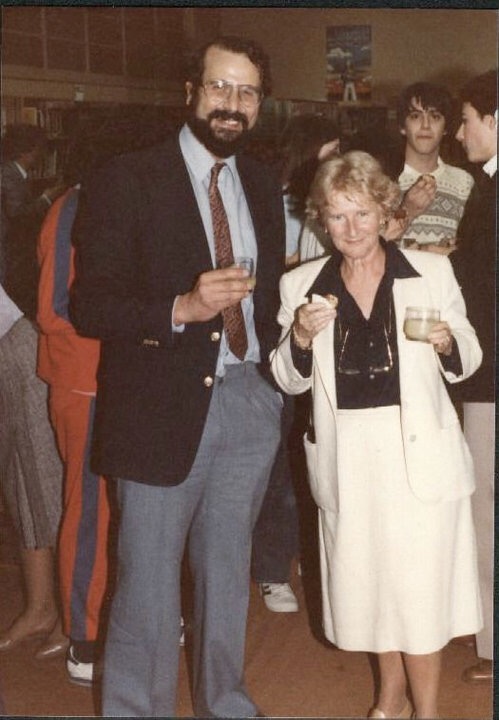
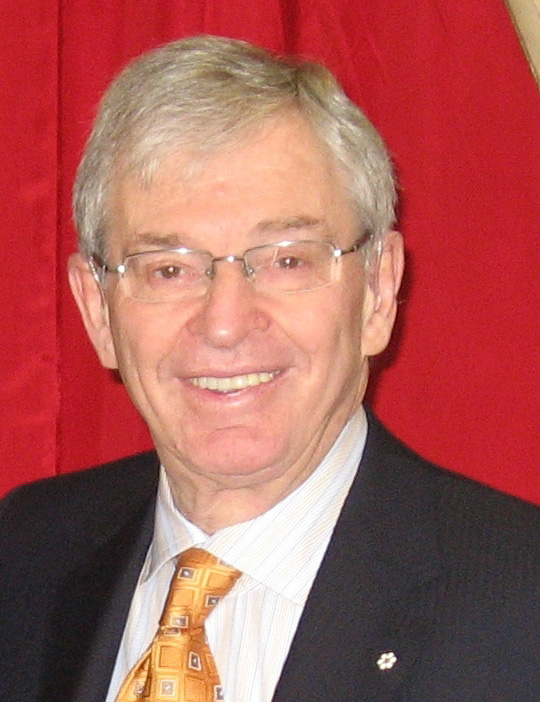
Alvin Segal.Photo Credit : Federation CJA
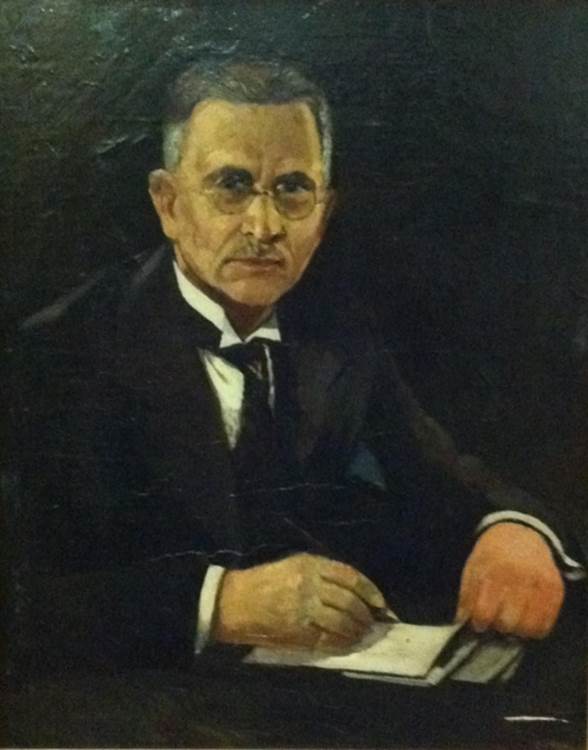
Alvin Segal
In 1951, Alvin Segal began working at Peerless Clothing manufacturing men’s suits. In virtually no time, he emerged as one of the most technically knowledgeable people within the industry in the production of fine men’s tailored apparel. A true visionary; Alvin Segal introduced the “engineered suit” into the North American market, reinventing the industry and putting Peerless on the map forever.
When the Free Trade Agreement came into effect in 1989, Alvin seized the opportunity to enter the American market and made a significant investment in machinery, technology and retraining his personnel; employing individuals on both sides of the border. The result was a product of better quality and value and Peerless has never looked back since. Today, Peerless Clothing is the largest supplier of Canadian-made and imported men’s tailored clothing in North America, boasting iconic brands including Ralph Lauren, Calvin Klein, DKNY, IZOD, Michael Kors and John Varvatos—to name but a few.
An industry pillar, Alvin is President of the Canadian Men’s Clothing Manufacturers Association, played a key role in the inception of the Canada-US Free Trade Agreement and The North American Free Trade Agreement, and served on the Canadian Ministry of International Trade’s Advisory Board.
As the Peerless Clothing empire grew, so did Alvin Segal’s commitment to philanthropy and community. His support of the Canadian Jewish community, Israel, and the Montreal community at large has been nothing short of legendary, particularly when it comes to the arts, healthcare and education. He has been instrumental in supporting the Segal Centre for Performing Arts, showcasing the best in theatre, music, dance and cinema. He has also made major gifts to The MUHC – Montreal Children’s and Shriners Hospitals, Centraide of greater Montreal, Concordia and McGill Universities, the Jewish Public Library and the Governor General Performing Arts Awards.
His support of the community and healthcare is epitomized through his extraordinary gift to the Jewish General Hospital’s Segal Cancer Centre. This state-of-the-art facility, which serves the entire province of Quebec, is dedicated to offering the most comprehensive approach to cancer screening, prevention, care, diagnosis, treatment, support, nutrition and research.
Over the years, the philanthropic work of the Alvin Segal Family Foundation has garnered him numerous honors including the Order of Canada, the Order of Quebec, the Order of Montreal and Hebrew University’s Scopus Award.
-
Solly Levy and Michel Tremblay.Photo Credit : Claire Lévy-Boker -
Solly Levy and Antonine Maillet.Photo Credit : Claire Lévy-Boker
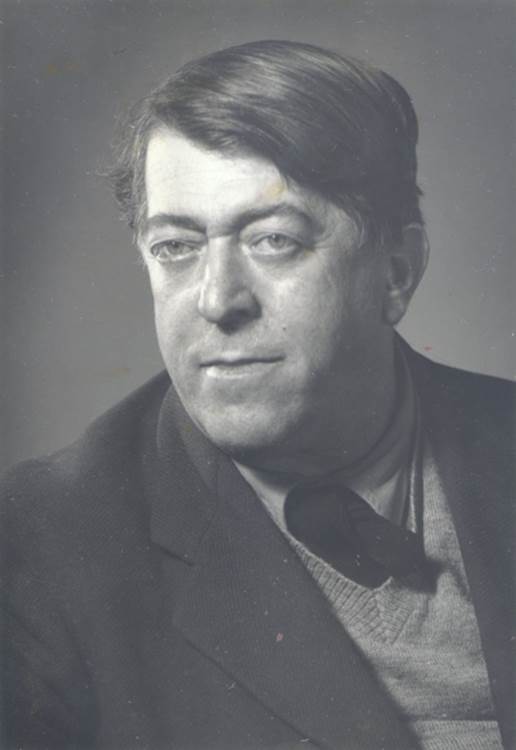
Solly Levy
A brilliant cultural icon, Solly Levy is a writer, educator, comedian and theatre director; he is also the Founder and Director of the Kinor Choir in Montreal and the Hallel Vezimra Liturgical Choir at the Sephardic Kehila Centre in Toronto. In the early 80s he co-founded the Sephardic musical group Gerineldo and was the male soloist.
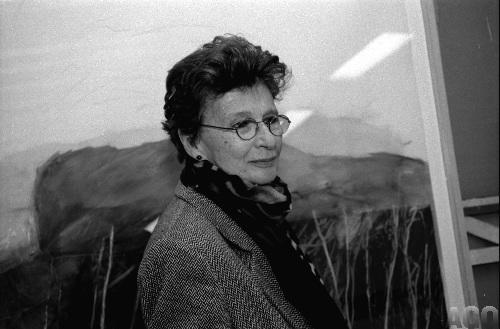
Through his many talents, he has strengthened ties between the Jewish community of Montreal and Quebec culture. He is a leading expert in Haketia, a Judeo-Spanish vernacular language once spoken by Jewish communities in Northern Morocco. He has written numerous books in that same vernacular.
Levy has adapted into Judeo-Arabic several classic works of Molière, and of renowned Quebec and Francophone playwrights including Gratien Gélinas, Michel Tremblay and Antonine Maillet. These, which he also directed, were a great success. Levy’s theatrical and artistic work helped fortify intercultural bridges between Quebec’s Jewish community and native-born Francophone Quebecers.
While teaching at the École de Roberval in Montreal, Levy directed classic Quebec plays, including the famous Ti-Coq by famed playwright Gratien Gélinas. Michel Tremblay, Gratien Gélinas, Antonine Maillet and other great francophone writers from Quebec and Canada have personally attended Levy’s adaptation of their plays. They have highly praised his work.
Levy was the subject of Donald Winkler’s A Scattering of Seeds: A Sephardic Journey, film depicting his life after arriving in Montreal. His discovery of the Quebecois literature and culture greatly influenced his teachings.
In the documentary film Les Juifs du Québec: une histoire à raconter, produced by Shelly Tepperman, Levy brilliantly plays the role of Haïm, an old Jewish antique dealer who recounts to a young “pure-laine” girl from Quebec the 400 years of history of Quebec’s Jewish community.
In 2001, the prestigious French magazine L’Express ranked Levy among the top “100 people who move Quebec.” In 2014, he was a keynote speaker at UNESCO’s (United Nations Educational, Scientific and Cultural Organization) International Conference on Judeo-Spanish languages, in Paris.
-
Photo Credit : Artmatters
Betty Goodwin
Born in Montreal, Betty Goodwin was an internationally-renowned Jewish female artist known for investigating and “spiritualizing” found objects.
A child of the Main, Goodwin was the only offspring of Romanian Jewish immigrant parents. Her father was a significant member of Montreal’s shmata, or ready-made clothing, industry, and owned a vest factory in the Lower Plateau. When she was only nine, her father got sick and passed away, a tragedy which would go on to permeate much of her artwork.
After graduating from high school, Goodwin studied at Valentine’s Commercial School of Art in Montreal, and then launched her career as a painter and printmaker in the late 1940s. Largely self-taught, she initially produced still-life paintings and black-and-white scenes of Montreal’s bustling Jewish East Side. These illustrations brought her a great deal of attention, but Goodwin ended up destroying most of them, and searching for new modes of expression.
In 1968, she enrolled in a printmaking course under renowned Quebecois artist Yves Gaucher at Sir George Williams University (now Concordia University). During this course, Goodwin began experimenting with found objects—vests, parcels, shirts, etc.—to explore themes of loss, grief and miscommunication. These etched prints catapulted her work into the international spotlight.
During the 1980s, Goodwin returned to drawing, using graphite, charcoal and oil pastels. One of her most popular series was a sequence of large scale works entitled Swimmers (1982-1988), which featured solitary, floating or sinking bodies.
Goodwin’s drawing, printmaking, sculptures and installation art earned her many awards, including the Governor General’s Award and the Order of Canada, the Harold Town Prize, the Gershon Itzkowitz Prize and the Prix Paul-Emile Borduas. Her work has been exhibited in Canada, the US and Europe. In 1995, she was chosen to represent Canada in the Venice Biennial, and in 1996, she was exhibited at the National Gallery of Canada, Betty Goodwin: Signs of Life.
Learn more:
http://www.gallery.ca/en/see/collections/artist.php?iartistid=2098
http://becontemporary.com/art-Goodwin.php
http://www.thecanadianencyclopedia.ca/en/article/betty-goodwin-profile/
https://artmatters.ca/wp/2012/02/8222/
http://artdaily.com/news/39753/AGO-to-Exhibit-the-Work-of-Eva-Hesse–Betty-Goodwin-and-Agnes-Martin#.VzH5hMv2bcs
http://www.theglobeandmail.com/arts/ago-to-showcase-female-post-war-artists/article1375597/
http://www.ago.net/kitty-scott-on-betty-goodwin
https://www.youtube.com/watch?v=ihDV-p3aSSY
-
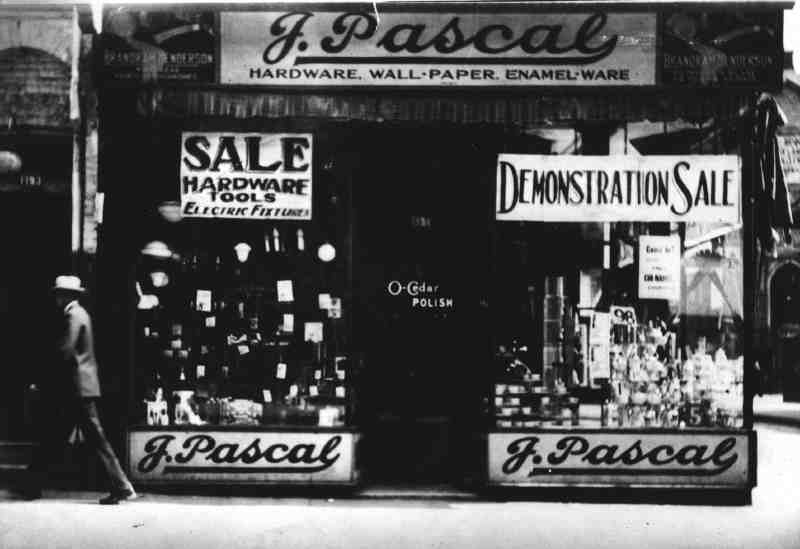
The Pascal storefront on St. Laurent in the 1930s.Photo Credit : Alex Dworkin Canadian Jewish Archives -
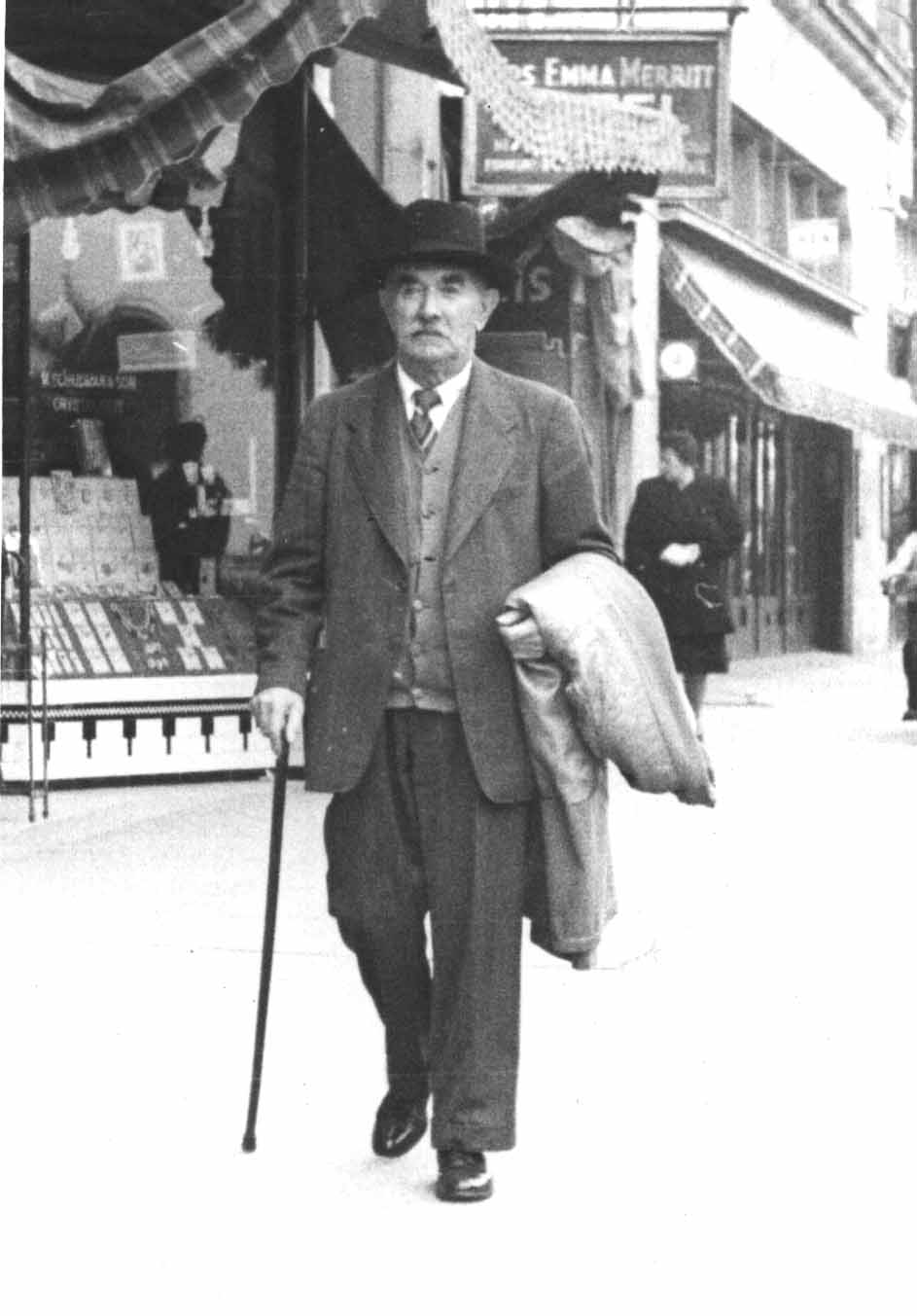
Jacob Pascal in the 1910s.Photo Credit : Alex Dworkin Canadian Jewish Archives -
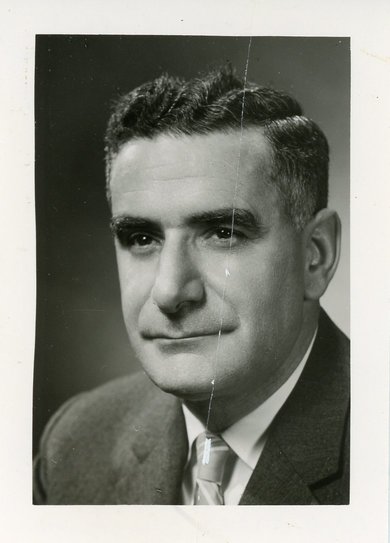
Arthur Pascal.Photo Credit : Jewish Public Library - Archives
The Pascal Family
Long before anyone had ever heard of big-box warehouses or superstores, there was a Pascal Hardware in virtually every mall in town. Jacob Pascal opened a small hardware store in Montreal in 1903 and trained his sons Maxwell, Hyman, Cecil and Arthur in how to sell products and serve customers so that they’d come back again and again.
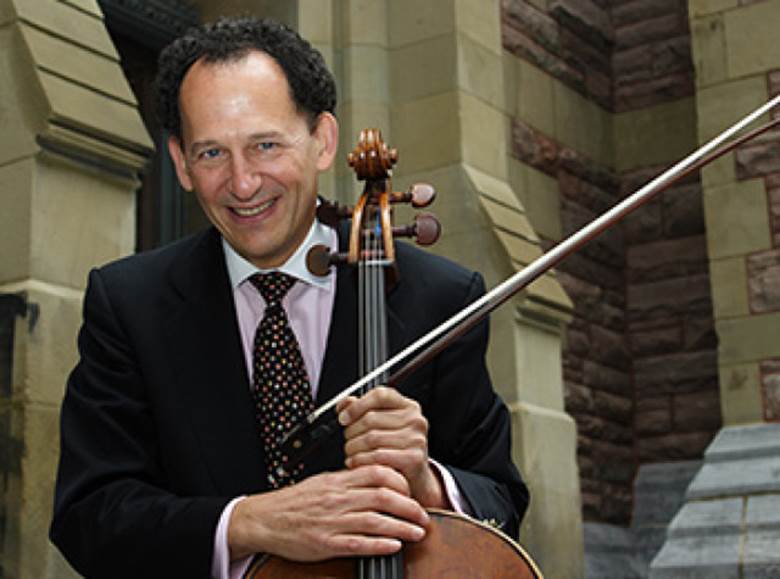
Over the course of 90 years, the chain of Pascal Hardware and Furniture Stores grew to some 26 stores in Quebec, Ontario and New Brunswick, and remained a family-owned business right up to the end. Pascal Furniture outfitted countless homes with fine furniture and electronics, while Pascal Hotel and Restaurant supplies provided specialized products, equipment and machinery to virtually every eatery and hotel around.
As the Pascal family grew more successful, so did their commitment to social causes, especially when it came to Jacob’s son, Arthur Pascal. Arthur had a long, accomplished association with the Jewish General Hospital, where he served as Chairman of the Building Committee and eventually as President of the hospital in the 1970s.
What’s more, he served on the Executive Committee of Allied Jewish Community Services, was Chairman of the Combined Jewish Appeal, Co-Chair of the Canadian Council of Christians and Jews Quebec Region, Honorary Chairman of the Federation of Quebec Catholic Charities and Vice-Chairman of the Quebec Council of Boy Scouts of Canada. He was also the founding President of the Jewish Community Foundation of Montreal in 1971.
In recognition of his dedication to community service, Arthur Pascal received the Order of Canada in 1976. In 1985, Arthur Pascal was officially inducted into the Canadian Hardware & Housewares Industry Hall of Fame.
-
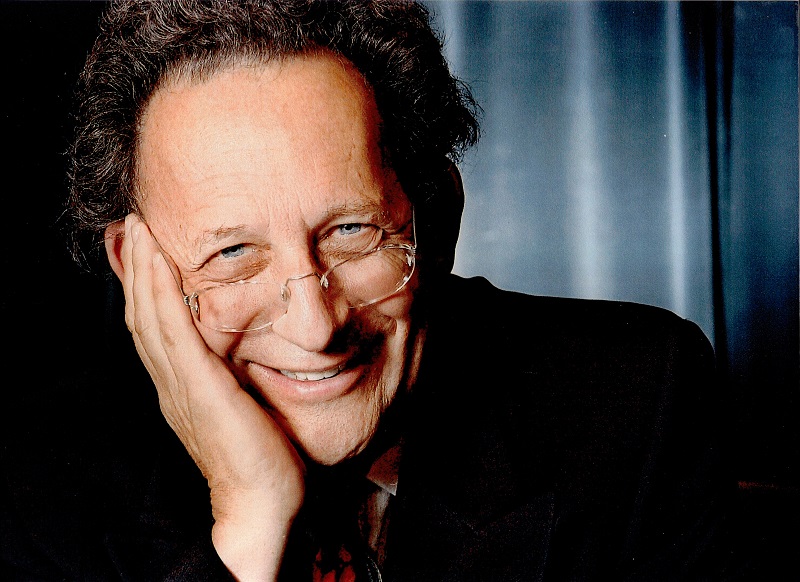
Denis Brott, 2015.Photo Credit : Canadian Jewish News -
Boris Brott.Photo Credit : Brott Music Festival -
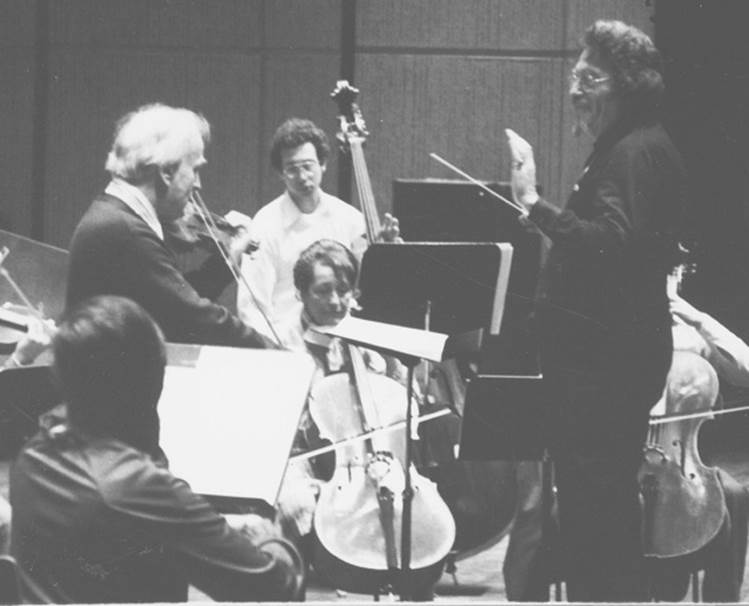
Alexander Brott Conducting a group of musicians.Photo Credit : Alexanderbrott.ca -
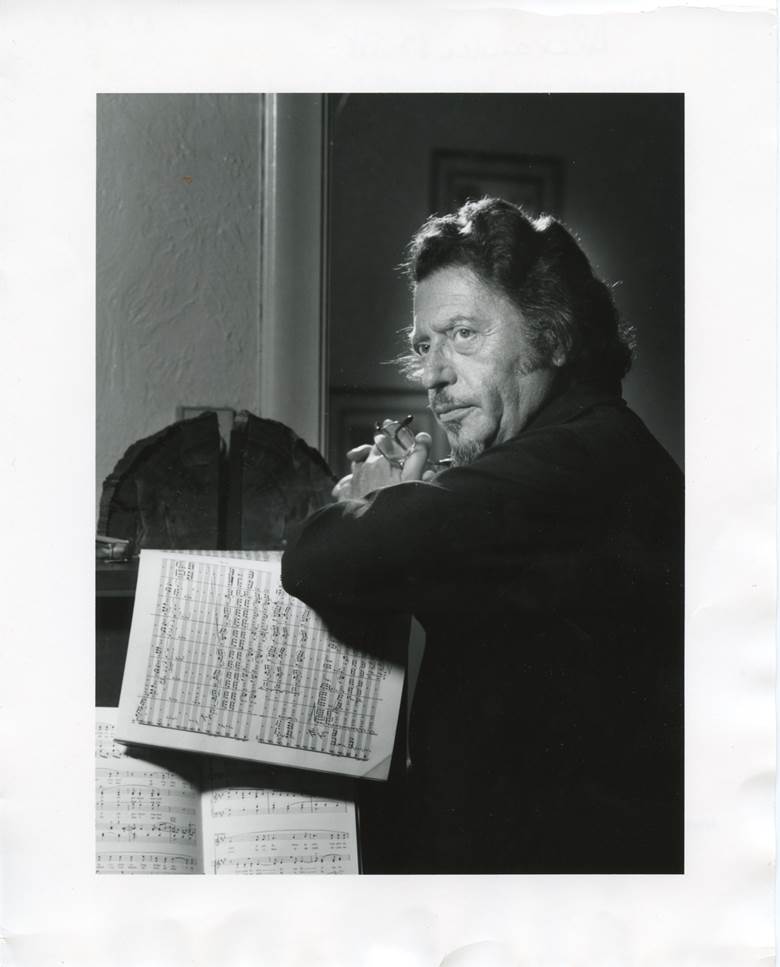
Alexander Brott in the 1960s.Photo Credit : V. Tony Hauser and the Jewish Public Library - Archives
The Brott Family
Comprised of Alexander (father), Lotte (mother), Denis (son) and Boris (son), the Brott family has had a profound impact on the development and history of classical music in Canada.
Acclaimed cellist Lotte was born in Mannheim, Germany in 1922. She graduated from Switzerland’s Zurich Conservatory in 1939, and moved to Canada that same year, where she studied at the University of Toronto. In Canada, she performed with the MSO, the McGill Chamber Orchestra, and the Little Symphony of Montreal, and taught cello at McGill. Her love of music not only manifested itself through performing and teaching, but through her dedication to organizing various musical events and programs. She organized concerts, did fundraising and PR for McGill and organizations where her husband, Alexander, was the artistic director; she also managed the Kingston Symphony from 1978-81. Lotte was named a Member of the Order of Canada (1990) and a Knight of the Order of Quebec (1996). The McGill Chamber Orchestra set up the Lotte Brott Memorial Fund in her honour, to encourage young musicians.
Born in Montreal to Ashkenazi Jewish parents, Alexander Brott was a composer, conductor, violinist and music teacher. He earned degrees from McGill and Juilliard before beginning his career as a concert violinist in the 1930s. He quickly made a name for himself with his elegant style and technical precision. In 1939, he joined the faculty at McGill, where he founded and pioneered the McGill Chamber Orchestra. He taught there until his retirement in 1980. From 1945-58, he simultaneously lead the Montreal Orchestra, Les Concerts symphoniques de Montréal and the Montreal Symphony Orchestra. He was made a Member of the Order of Canada (1979) and a Knight of the National Order of Quebec (1988).
As a couple, Alexander and Lotte co-founded the Concerts Under the Stars series at Mount Royal, and concerts at Maurice Richard Arena.
Their son Boris (b. 1944) is a conductor and founding director of the New West Symphony Orchestra, and their son Denis (b. 1950) is a cellist, music teacher and the founder of the Montreal Chamber Music Festival. Boris has conducted on stages around the world, including Carnegie Hall and Covent Garden, with his trademark innovative, energetic style. He is also known for promoting Canadian musical talent, and commissioning, performing and recording Canadian music. Denis has performed cello throughout the world; he played with the Orford String Quartet for eight years. He recorded a discography of chamber music, including the Grand Prix du Disque Award-winning complete string quartets of Beethoven and the Best Chamber Ensemble Classical Recording, which received two Juno Awards.
Learn more:
http://brottmusic.com/maestro-boris-brott/
http://www.thecanadianencyclopedia.com/en/article/alexander-brott-emc/
http://borisbrott.com/default.html
http://nationalacademyorchestra.com/
http://greatmontrealers.ccmm.qc.ca/en/30/
-
-
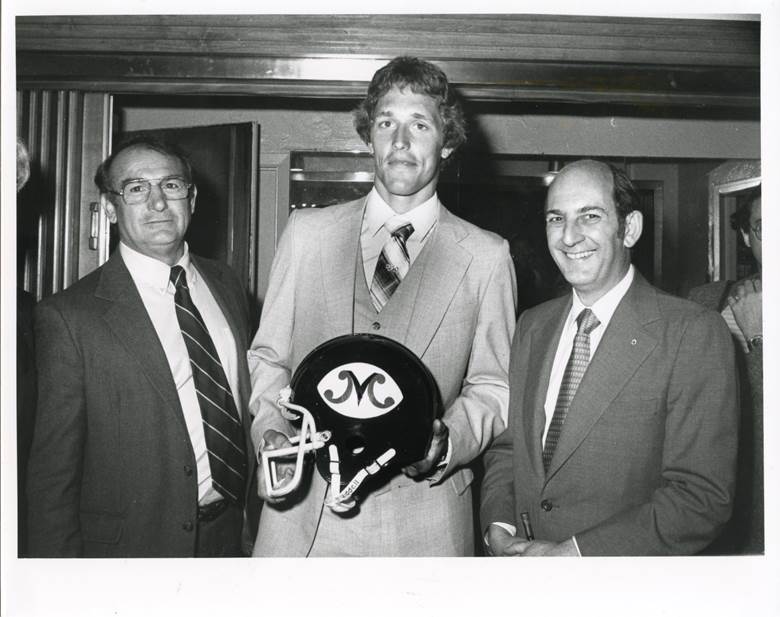
Charles Bronfman with Les Concordes quarterback Luc Tousignant, displaying helmet with team's logo, and Concordes president Sam Etcheverry, 1982.Photo Credit : Jewish Public Library - Archives -
Charles Bronfman co-founded Taglit Birthright Israel, which has sent over 500,000 young Jews on a free trip to Israel.Photo Credit : Sivan Farag -
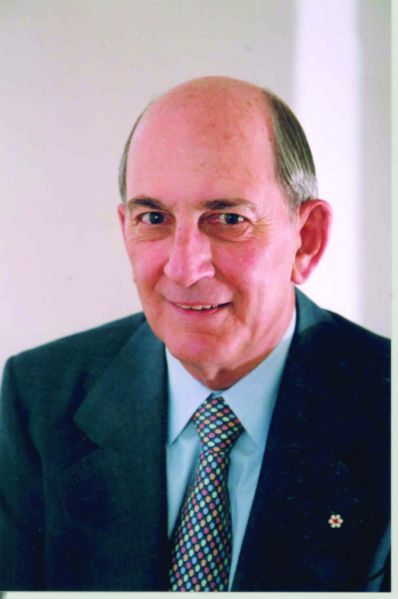
Charles Bronfman.Photo Credit : Alex Dworkin Canadian Jewish Archives -
Charles Bronfman and Manny Batshaw.Photo Credit : Jewish Public Library - Archives
Charles Bronfman
Charles Bronfman is a Canadian philanthropist and Jewish community leader, and the original owner of the Montreal Expos.
Bronfman was born in Montreal – where he would spend the majority of his life – to parents Samuel and Saidye Bronfman . After graduating from McGill University, he became closely involved with his father’s liquor business, Seagram’s. For close to 50 years, he worked for the company in various positions, including President and Co-Chairman. Bronfman has also been involved with Cemp Investments, the predecessor of his investment firm, Claridge, which was founded in 1987.
In 1968, the Montreal Expos was formed – the first Canadian team admitted to the National Baseball League. Bronfman became their first majority owner. Then, in 1982, one day after the Montreal Alouettes fell under financial collapse, Bronfman bought their remains and began the Montreal Concordes.
Like his parents, Bronfman is deeply committed to philanthropic ventures. Amongst many other initiatives in Canada, the United States and Israel, in 1999, he founded Taglit Birthright, which provides free, educational trips to Israel for young Jewish adults. He continues to remain one of the program’s principal donors. He is also the Chairman of the Andrea and Charles Bronfman Philanthropies Inc., a collection of international charitable organizations. Furthermore, he has become a leader in the Jewish community, occupying positions including first Chairman of the United Jewish Communities (now the Jewish Federations of North America).
Canada’s Heritage Minutes also has links to Bronfman: He was a founding Co-Chairman of Historica, which produced the popular television shorts. Indeed, it was his comment during a meeting – “if television can use 30 seconds or 60 seconds to persuade people that Cadillacs or cornflakes are interesting, couldn’t we also use that short piece of time to persuade Canadians that their history is interesting? You tell me how to do it and I’ll fund it.” – that led to their conception.
Bronfman has been awarded numerous honours and accolades, including Officer of the Order of Canada (1981), Companion to the Order of Canada (1992) and Member of the Quebec’s Privy Council (1992). In 2012, he joined Warren Buffett and Bill Gates’ Giving Pledge, promising to give away the majority of his fortune.
Charles is married to Rita Bronfman, has two children, Stephen and Ellen Bronfman, and six grandchildren. His son Stephen is the Executive Chairman of Charles’ investment firm, Claridge Inc., and sits on multiple Boards of Directors, including the David Suzuki Foundation. Furthermore, he is the Revenue Chair of the Liberal Party of Canada. With his wife, Stephen founded the Claudine and Stephen Bronfman Family Foundation, carrying on the philanthropic tradition of his parents and grandparents.
Learn more:
https://en.wikipedia.org/wiki/Charles_Bronfman
http://www.thecanadianencyclopedia.ca/en/article/charles-bronfman/
-
Adam Braz, 2008Photo Credit : Longbomb, Public Domain.
Adam Braz
Adam Braz is an accomplished Canadian soccer player and the current Technical Director of the Montreal Impact.
Braz received his bachelor’s degree from the Fairfield University Dolan School of Business in 2001. From 1999 to 2001, he played college soccer at Fairfield University for the Fairfield Stags men’s soccer team. In 2000, he helped the team earn a national ranking of 15. In 2002, Braz began his nine-year professional soccer career, signing to the Montreal Impact. A tall defender, he played an important role in the Impact defense, helping the team make the playoffs. In 2004, he contributed to the Impact winning the USL First Division Championship.
Braz was one of the first players to sign with MLS expansion franchise Toronto FC during the 2006–07 soccer season. Afterwards, he was transferred back to the Montreal Impact, and helped bring them to the finals, where they faced off against the Vancouver Whitecaps FC; this was the first time in USL history where two Canadian clubs played each other in the final match. The Impact won the series, making it their third USL Championship, and Braz’s second. In 2009, Braz received the team’s Unsung Hero Award.
Braz made his debut for Canada internationally in a January 2004 match against Barbados. In July 2005, he was invited to play for Canada in the Gold Cup. His last international match was in 2007, and he retired from playing soccer in 2011.
Learn more:
https://en.wikipedia.org/wiki/Adam_Braz
http://www.impactmontreal.com/en/club/adam-braz
http://www.lapresse.ca/sports/soccer/201501/23/01-4837779-impact-adam-braz-entre-fierte-et-responsabilites.php
https://www.youtube.com/watch?v=d-tlSZVuiCY
http://www.rds.ca/videos/soccer/impact/impact-salazar-merite-son-contrat-adam-braz-3.1174987
https://www.youtube.com/watch?v=SLfwLChvZCI
-
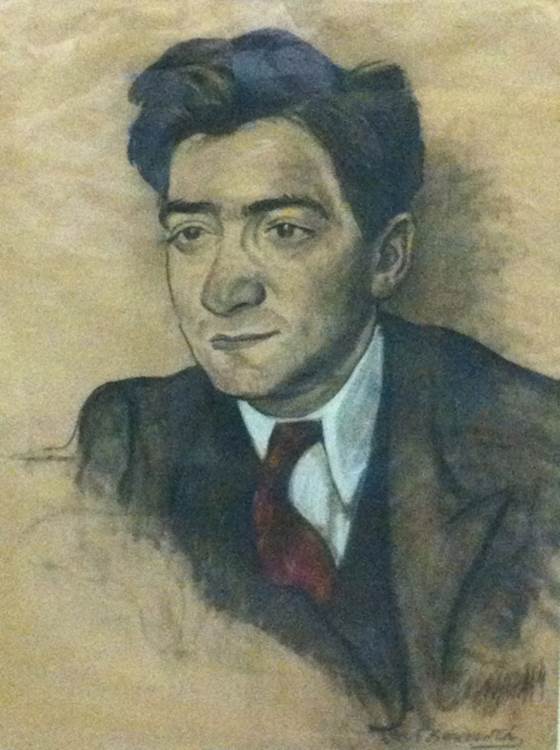
Portrait of poet Shabse Perl drawn by Alexander Bercovitch.Photo Credit : Alex Dworkin Canadian Jewish Archives -
Portrait of A. L. Kaplansky by Alexander Bercovitch. Undated.Photo Credit : Alex Dworkin Canadian Jewish Archives -
Alexandre Bercovitch, ca. 1940s.Photo Credit : Alex Dworkin Canadian Jewish Archives -
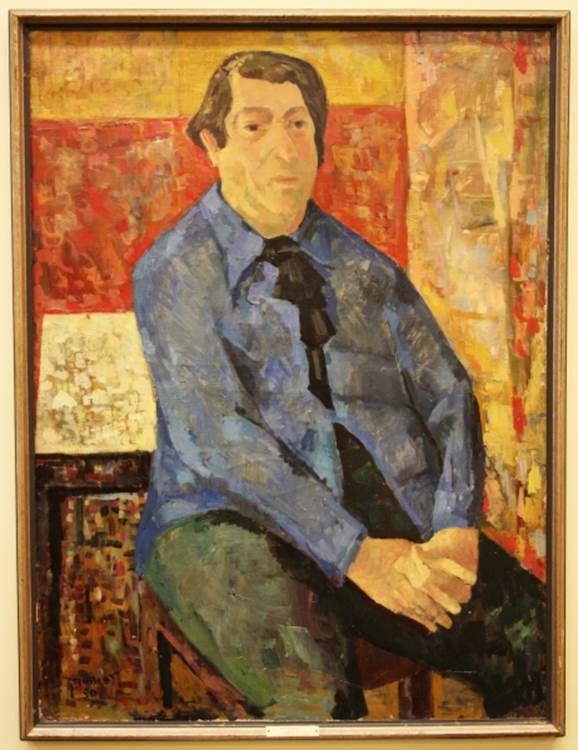
Portrait of Alexandre Berkovitch painted by Moe ReinblattPhoto Credit : Jewish Public Library Art Collection
Alexander Bercovitch
Alexander Bercovitch was a founding member of the Eastern Group of Painters and arguably the father of modern Jewish painting in Montreal.
Bercovitch was born in a small port city near Odessa, in present-day Ukraine, to a family that was poor even by shtetl standards. After being given his first paints by a community of Ukrainian monks he had been spying on through metal gates for years, he quickly developed a talent for the art form. Indeed, by the time he was 15, he had established a local reputation, and was creating theatre sets and costumes. He spent three years studying at Jerusalem’s Bezalel Art School, and later in Munich and St. Petersburg.
He deserted the Tsarist army shortly after being drafted during the First World War, and went into hiding until the Revolution of 1917. Bercovitch lived for several years in Turkmenistan, continually painting, until he ran afoul of the Communist authorities and relocated with his family to Montreal in 1926.There, Bercovitch and his wife, Bryna Avrutick, who had been a revolutionary back in Russia, maintained their radical politics, naming two of their children Ninel (Lenin spelled backwards) and Sacvan (for the executed Italian anarchists Sacco and Vanzetti) – who would later become a well-known American literary critic. Their first child, Sylvia Ary, became a well-known artist in her own right.
Life in the immigrant Plateau neighbourhood was difficult for the impoverished Bercovitches during the 1920s and 30s. Bercovitch left his family shortly after arriving, rejoining them six months later. When he left them for good in 1942, Sacvan was placed in foster care. Upon first arriving in Montreal, Bercovitch had earned money doing ceiling work for local churches and synagogues. He also occasionally exhibited his own work from his years in Turkmenistan, alongside Montreal-themed canvases.
He joined a roving band of artists called the Eastern Group of Painters, which countered the explicit Canadian nationalism of the more famous Group of Seven and its successor, the Canadian Group of Painters. Bercovitch was a teacher, mentor and harsh critic of the younger generation of Montreal Jewish painters, including Sam Borenstein, Moe Reinblatt and Rita Briansky. He was famous as much for his classic Canadian paintings, like Laurentian Snow Scene (1938) and Gaspe: Cliff and Sea (1940), as he was for more Montreal- and Jewish-centered works such as the classic Laurier (1933), which he painted from his own balcony.
On January 7, 1951, Bercovitch collapsed of a heart attack while waiting for a streetcar at the corner of Mont-Royal and St. Laurent. He was en route to his first exhibition in 10 years.
Special thanks to the Museum of Jewish Montreal.
Learn more:
http://imjm.ca/location/1277
http://mimj.ca/location/1764
http://cybermuse.gallery.ca/cybermuse/enthusiast/thirties/artist_e.jsp?iartistid=438
https://en.wikipedia.org/wiki/Jewish_Painters_of_Montreal
-
Ethel Stark conducting the Toronto Symphony.Photo Credit : Jewish Public Library - Archives -
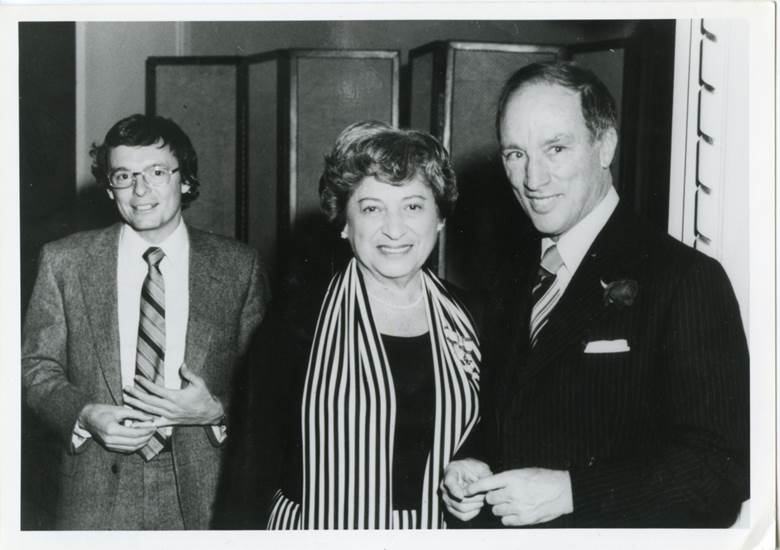
Prime Minister Trudeau receiving Ethel Stark, the first Canadian woman to achieve international recognition as a symphonic conductor, at Government House after her appointment to the Order of Canada.Photo Credit : Jewish Public Library - Archives -
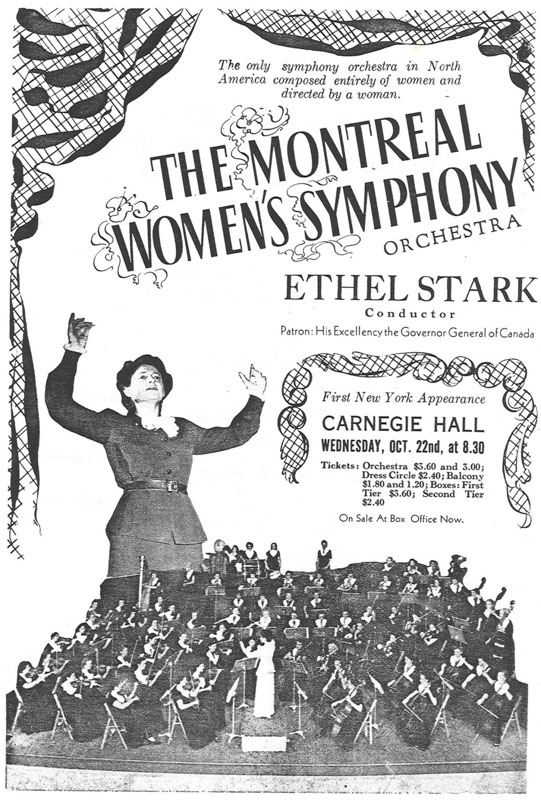
Poster advertising Ethel Stark’s The Montreal Women’s Symphony (1970s).Photo Credit : Jewish Public Library - Archives -
Ethel Stark conducting The Ethel Stark Syphonietta.Photo Credit : Jewish Public Library - Archives -
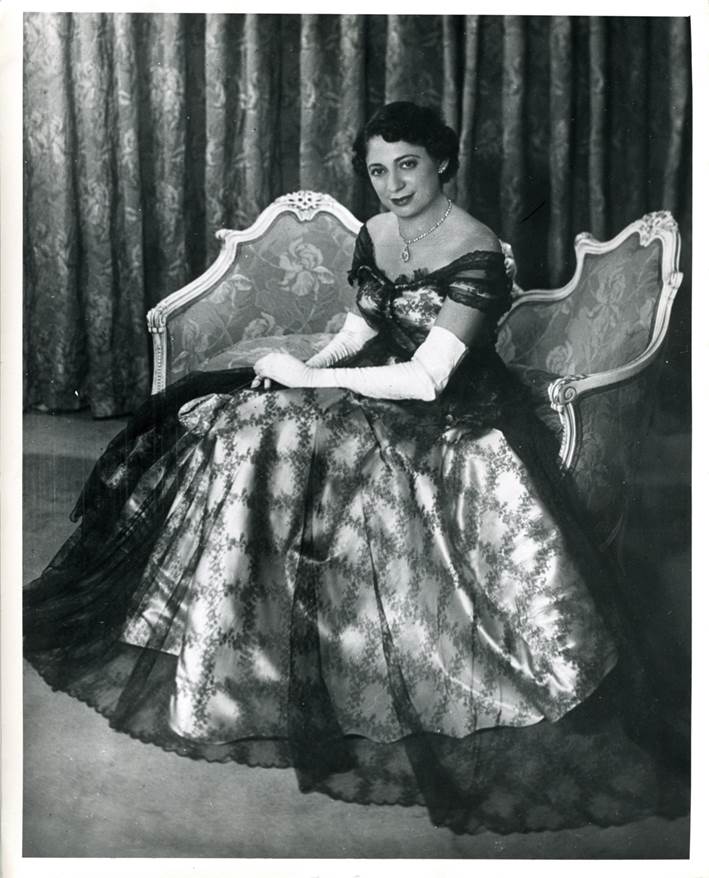
Ethel Stark, taken at the time she was presented to Her Royal Highness Queen Elizabeth II and Prince Philip.Photo Credit : Jewish Public Library - Archives -
Ethel Stark & Ernest Bloch in Geneva, Switzerland.Photo Credit : Jewish Public Library - Archives -
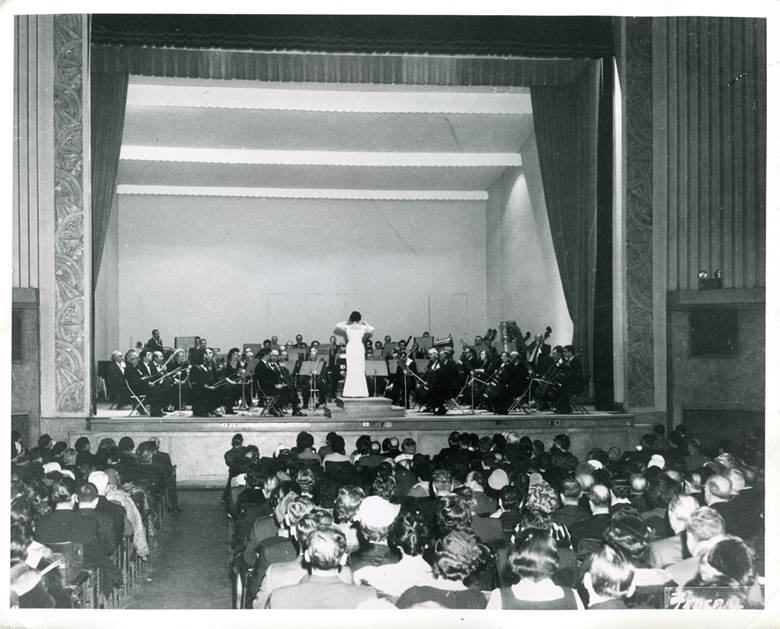
Ethel Stark conducting the Montreal Women's Symphony Orchestra.Photo Credit : Jewish Public Library - Archives
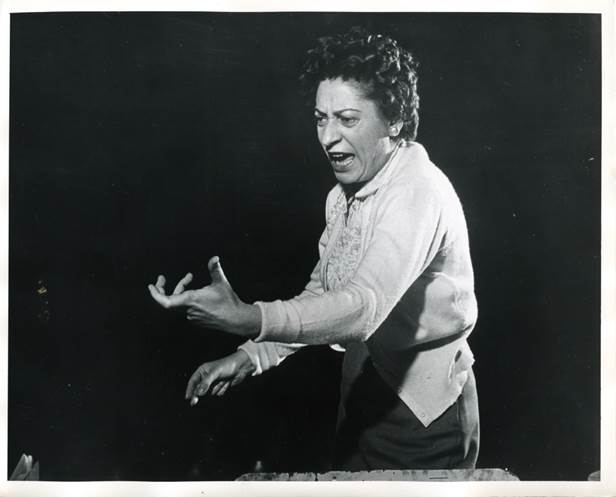
Ethel Stark
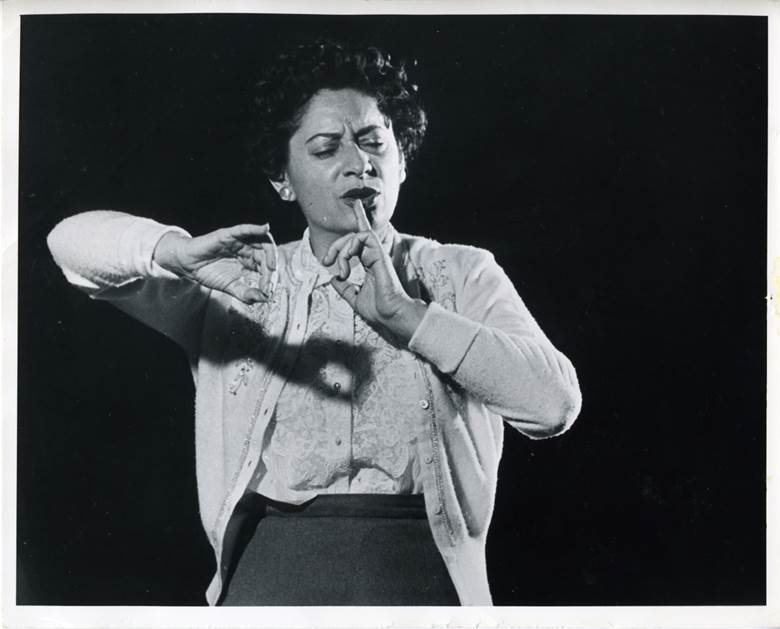
Montrealer Ethel Stark was a world-renowned violinist, conductor and teacher.
In 1934, Stark became the first Canadian woman to perform as a soloist in a broadcasted program across the US. In 1940, she founded the Montreal Women’s Symphony Orchestra, which she conducted until the late 1960s. She was also the Founding Director of the New York Women’s Chamber Orchestra, the Ethel Stark Symphonietta and the Montreal Women’s Symphony Strings. Stark was the guest conductor with symphonies in Canada and abroad including Israel and Tokyo, Japan.
Stark is a laureate of the Quebec Academy of Music, recipient of the Curtis diploma, fellow of the Royal Society of Arts, and the recipient of an honorary degree (LLD) from Concordia University. In 2003, she was made a Grand Officer of the National Order of Quebec. She was made a Member of the Order of Canada in 1980.
In 2016, Montreal’s mayor, Denis Coderre, announced that the Claude-Jutras park would be renamed in Ethel Stark’s honour.
Learn more: