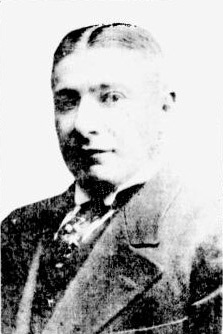
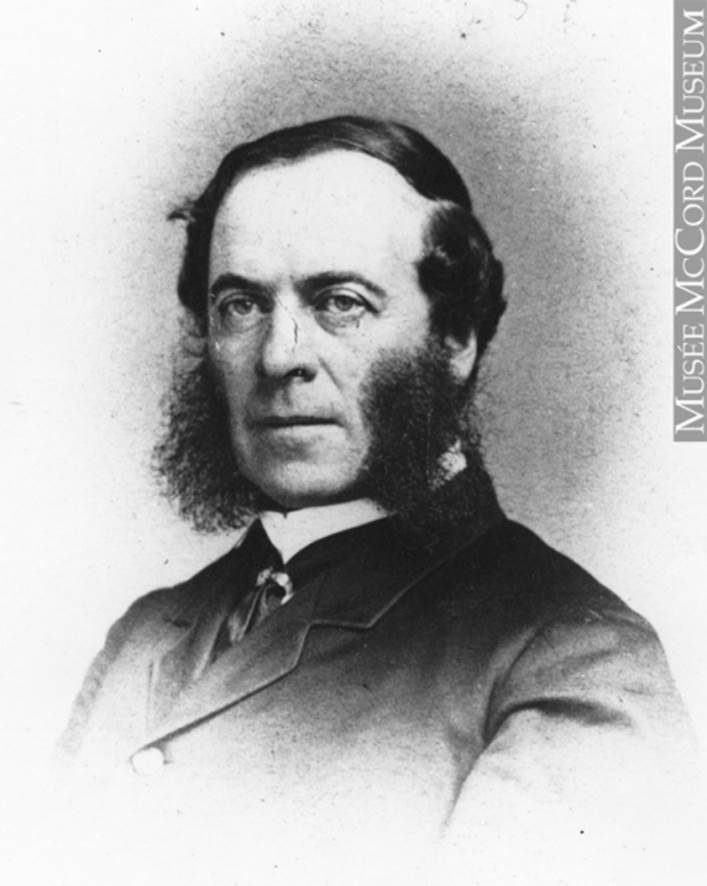
Samuel “Sam” Edward Lichtenhein was a businessman and sports executive who owned the Montreal Royals and the Montreal Wanderers and was responsible for changing hockey from a seven-man to a six-man game.
Lichtenhein was born in Chicago. He moved to Montreal with his parents and three siblings after the Chicago fire of 1871 destroyed his father’s department store. He attended Loyola College in Montreal, and then pursued a career in business.
In 1910, Lichtenhein took over the Montreal Royals of the Eastern Baseball League, and remained the owner until the team disbanded 7 years later. In 1911, he bought the Montreal Wanderers, which had been a very successful franchise – winning four Stanley Cups in the previous decade – but was in trouble by the time Lichtenhein took over. In 1913, as the Wanderers’ owner, Lichtenhein famously approved changing Canadian hockey from seven players to six.
In 1917, Lichtenhein became one of the founding members of the National Hockey League (previously known as the National Hockey Association). Lichtenhein owned the Wanderers until the Montreal Arena burned down in 1918, at which point the franchise closed. In fact, Lichtenhein was famously unlucky with fires, which were responsible for the loss of his fathers’ department store as well as his own hockey and baseball teams’ arenas.
Lichtenhein was married to Huldah Lewin and they had one son, who predeceased them. He was a prominent member of the Montreal Jewish community, and remained in Quebec for the rest of his life, even after the Wanderers franchise closed. He was buried in the Mount Royal Cemetery.
Innovation & Science
Share
Sidney Altman.
Photo Credit : Materialscientist
Sidney Altman.
Photo Credit : Yale University
1939 -
Sidney Altman
Sidney Altman is a Montreal-born molecular biologist who won the 1989 Nobel Prize for his discovery of catalytic RNA (with co-recipient Thomas Cech).
Born and raised in NDG, Altman was the second-born son of hardworking immigrant parents from Eastern Europe, who placed a strong emphasis on education. His mother worked in a textile mill and his father worked in a grocery store. Altman’s interest in nuclear physics was inspired by the atom bomb, Albert Einstein, and his voracious appetite for reading as a child.
Altman did his undergraduate degree at MIT, receiving his PhD in molecular biology from the University of Colorado. He worked on two research fellowships, one at Harvard and a second one at Cambridge, with Francis Crick, the co-discoverer of DNA’s molecular structure. It was at Cambridge that he began the experiments that would eventually lead to his breakthrough discovery that RNA itself had catalytic properties, just a few weeks before his fellowship ended.
Returning to North America, Altman was hired by Yale University, where he has remained ever since. He is currently the Sterling Professor of Molecular, Cellular, and Developmental Biology and Chemistry. He is married to Ann M. Körner and they have two children.
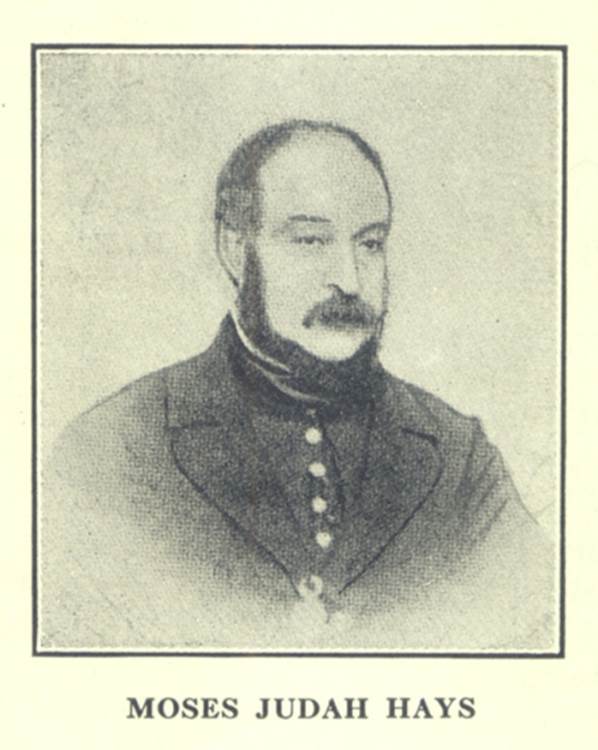
During the 19th century, Moses Hayes was a prominent businessman, a leader in Montreal’s Jewish community and one of the first Jews to enter into public service in the city.
Moses Judah Hayes (1799 – 1861)
Born in Montreal to a prominent Jewish family, Hayes would go on to serve as Director of the Montreal Gas Company and the Provident and Savings Bank. In the mid-1840s, he built Hayes House, a four-storey building with a theatre and Canada’s first shopping centre. It would serve as the seat of Canadian Parliament after the Parliament buildings were torched in 1849. Although not all his business ventures were successful, Hayes retained the respect and admiration of his community.
Hayes was also active in the larger society and was a member of the Montreal Mechanic’s Institute, the Montreal Agricultural Society and the Masons. In honour of his devotion to Montreal, he was among the first two Jews in Canada to be named as Justices of the Peace. In 1845, Hayes was named Police Chief, a post he held until his death 16 years later.
The Joseph Family: Jacob Henry Joseph (1814 – 1907), Jesse Joseph (1817–1904) & Abraham Joseph (1815–1886)
All three were sons of Henry Joseph (1775 – 1832), who was himself the nephew of Aaron Hart, the first Jew in Canada. Joseph settled in Berthier in 1790, eventually relocating to Quebec City. He made his fortune in fur-trading, at one point employing John Jacob Astor. In 1817, he became one of the three Jewish founders of Canada’s first bank, the Bank of Montreal. Three of his sons were also prominent businessmen and philanthropists in Montreal:
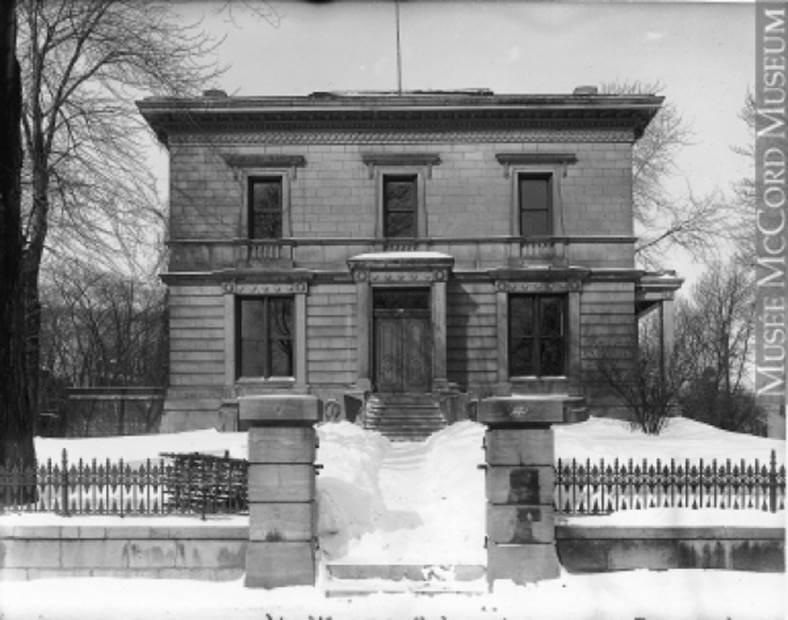
Jesse Joseph was a Montreal-based businessman and communal leader. Born in Berthier, Jesse served as President of Montreal Gas Company, having sold his shares in the Montreal Electric Company, claiming it had no future. Establishing mercantile trade between Canada and Belgium, he was named Belgian consul in Montreal. His home, the site of lavish parties, is now the McCord Museum.
Another of Henry Joseph’s sons, Jacob, also made his mark on Montreal. With his brother, he founded the Saint Lawrence and Champlain Railway. Jacob also founded Canada’s first telegraph company. He was a partner in the Newfoundland Telegraph Company, President of the Montreal Elevating Company and Vice President of the Montreal Board of Trade. He is also remembered for his philanthropy and support of cultural organizations in Quebec.
Also born in Berthier, Abraham Joseph moved to Quebec City, where he resided until his death. Aside from taking over for his father upon the latter’s death, Abraham also served as President of the Quebec and Dominion Boards of Trade, as a Director of the Banque Nationale, and as a member of the Quebec City Council (he failed in a bid for the mayoralty). He was a Grand Master of the Grand Masonic Lodge of Quebec and Vice Consul of Belgium in Quebec City.
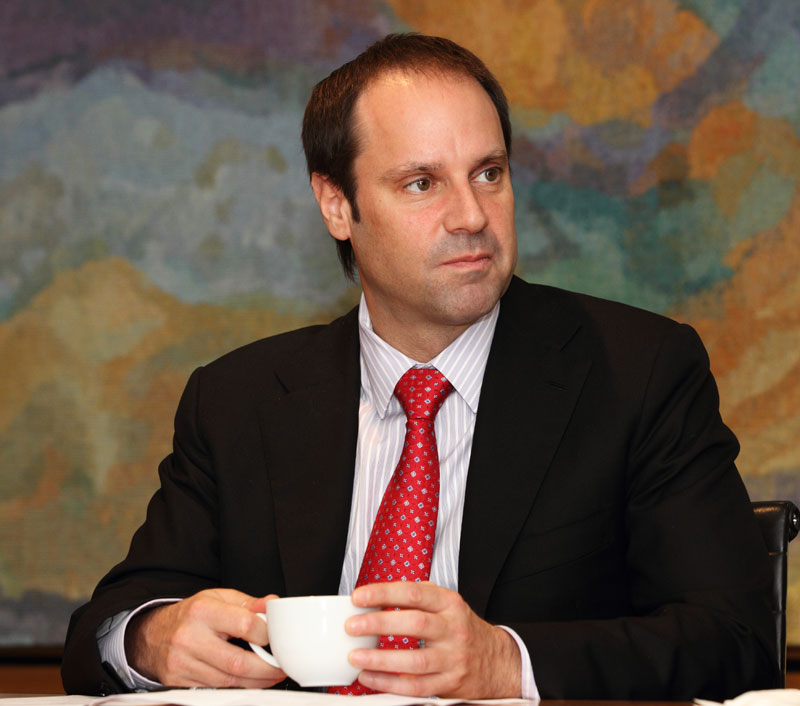
Born in Montreal, Jeffrey Skoll is a US-based Dot Com Mogul, film producer, philanthropist and social activist.
Skoll worked his way through an undergraduate degree at University of Toronto by pumping gas. After an MBA at Stanford, he became the President and first full-time employee at eBay, and when the company went public in 1998, Skoll found himself a billionaire.
In 2001, he used these profits to establish the Skoll Foundation, which supports healthcare, employment, climate change, renewable energy and education around the world through more than 70 international NGOs. He is one of only 20 people to have given away more than one billion dollars to charities, including irrigation systems for farms in Africa and centres for at-risk youth. As the only Canadian signatory to Bill Gates and Warren Buffet’s Giving Pledge, for which he was recently made an Officer of the Order of Canada for his “commitment to social causes and innovative practice of philanthropy,” he has already donated over half his fortune to worthy causes, and promises to give away as much as 95%.
Skoll’s commitment to social justice is also exhibited through his award-winning production company, Participant Media, which has produced dozens of films, including He Named Me Malala, Food Inc., Fast Food Nation, Citizen Four and An Inconvenient Truth. Participant Media has recently partnered with Cineflix Media of Montreal to create socially-relevant programming. He also created and supports the Oxford University’s Skoll Centre for Social Entrepreneurship as an international think tank.
Skoll’s efforts to promote peace and prosperity around the world have been honored with the Jefferson Award’s S. Roger Horchow Award for Greatest Public Service by a Private Citizen (2015), a career tribute at the Gotham Independent Film Awards (2012) and the John W. Gardner Leadership Award (2012).
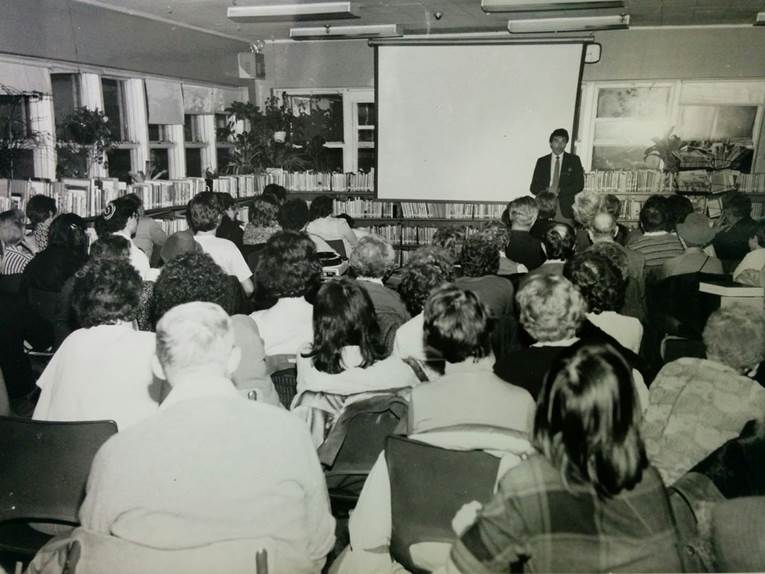
Dr. Joe Schwarcz giving a presentation for the Trafalgar School for Girls.
Photo Credit : Image open to public access
Dr. Joe Schwarcz.
Photo Credit : McGill Office for Science and Society
Dr. Joe speaking at the Library of Cote-Saint-Luc.
Photo Credit : Cote-Saint-Luc Library
1948 -
Dr. Joe Schwarcz
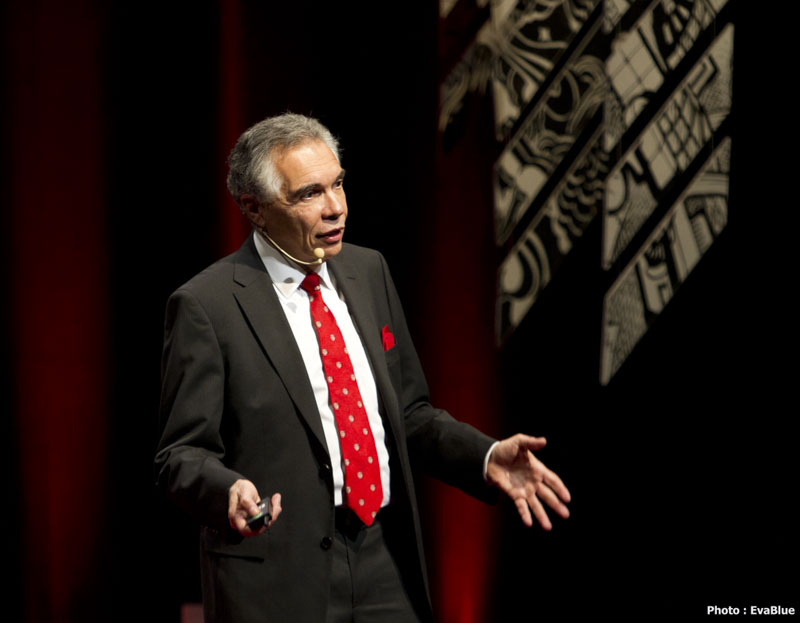
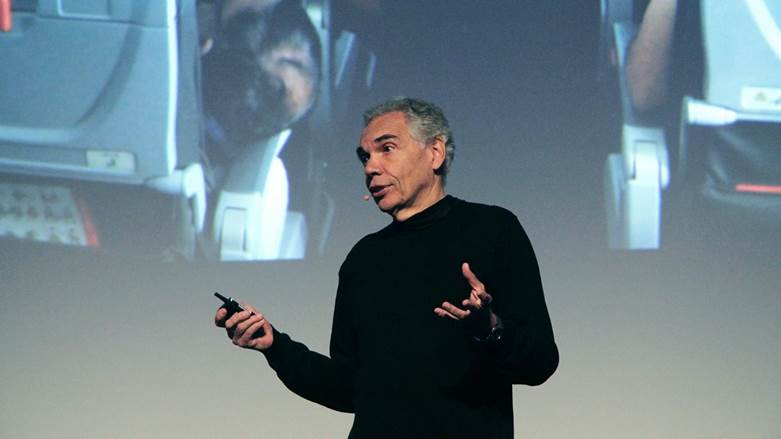
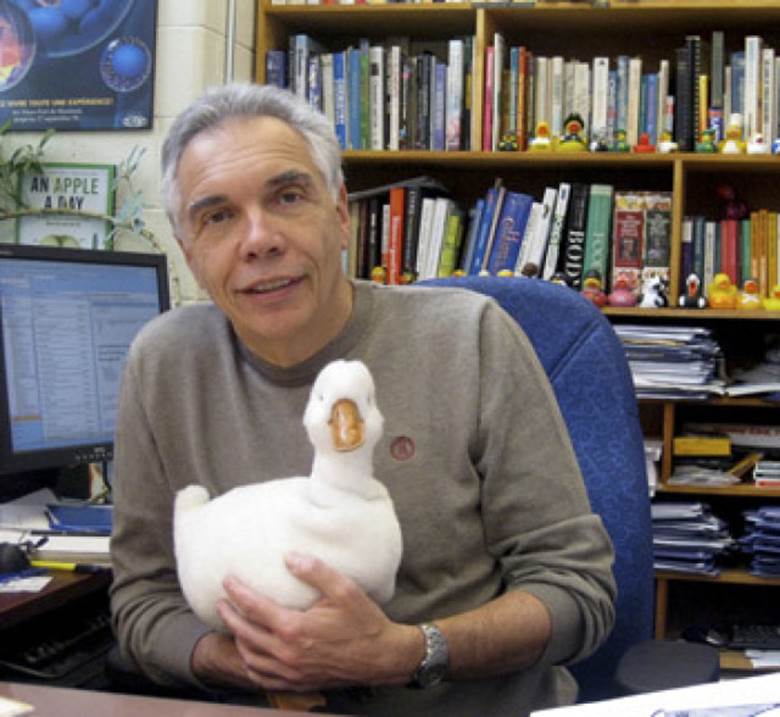
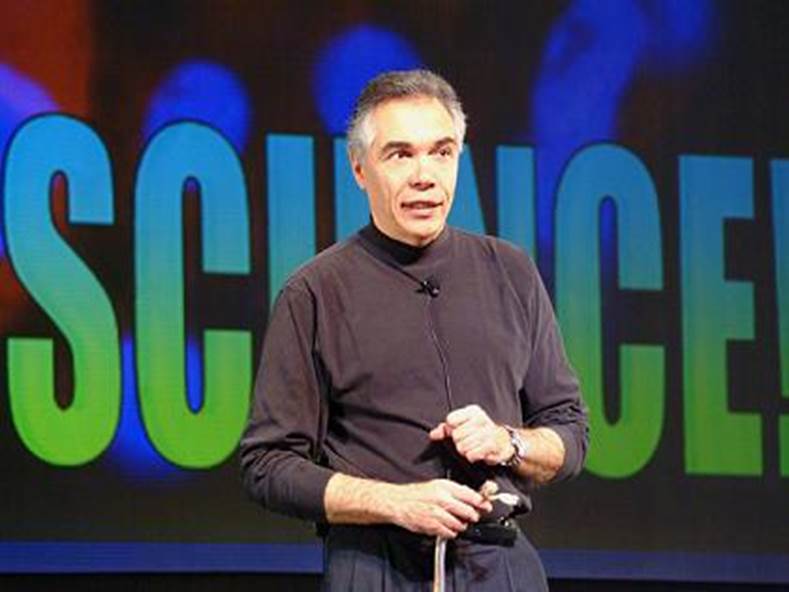
Dr. Joseph A. Schwarcz is the current and founding director of the McGill Centre for Science and Society, and a well-known debunker of bad science.
Born in Sopron, Hungary, Dr. Joe, as he is affectionately known, was fascinated by magic as a child, and saw its potential early on to both deceive and to teach. He received his PhD in Chemistry from McGill, where he still works. Dedicated to debunking popular, and often costly, chemical and medical fallacies, Schwarcz has become known as the leading quackbuster.
In 2011, the McGill Office for Science and Society received a $5.5 million grant from Lorne Trottier to continue Schwarcz’s debunking work, considered one of the largest single donations to a scientific cause in Canada. Trottier refers to Schwarcz as the “Carl Sagan of Canada.”
Schwarcz currently serves as Co-Chair of the Inflammatory Bowel Disease Nutrition Forum and Chair of the Editorial Board of Canadian Chemical News. He has published over a dozen books, writes a weekly newspaper column, hosts a radio show and frequently holds public consultations and lectures. He has attacked the purported medical value of acai berries, coffee enemas as cancer cures, detoxification and beauty products. He even attacked McDonald’s nutritional claims.
Among his awards are the Royal Society of Canada’s McNeil Award and the American Chemical Society’s prestigious Grady Stack Award, the Royal Canadian Institute’s Sanford Fleming Medal, the Society of Chemical Industry’s Purvis Award and the Chemical Institute of Canada’s Montreal Medal. He is also involved with the American Chemical Society, the Institute of Food Technologies, and the JGH Cancer Prevention Centre.
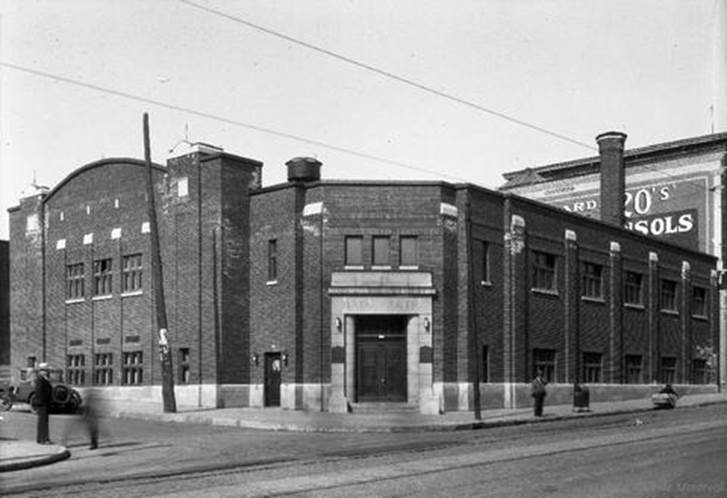
The Schubert Bath (Schubert Pool today - 3950 St. Laurent), built in 1932.
Photo Credit : Archives of the City of Montreal
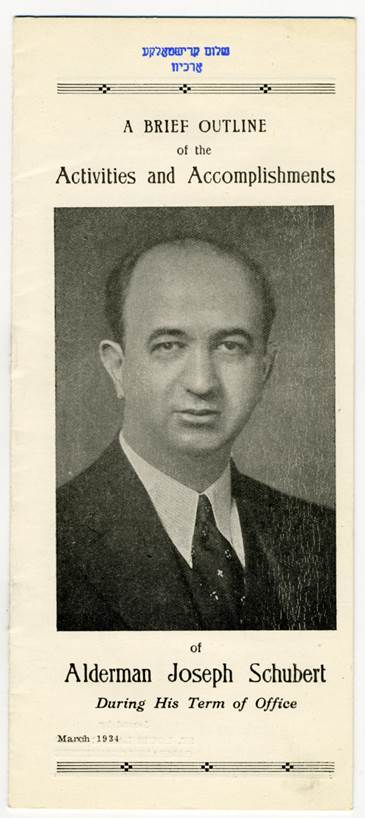
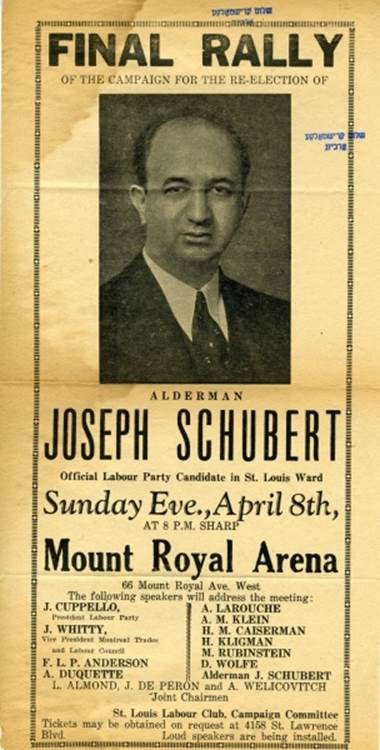
Joseph Schubert election flyer, ca. 1934.
Photo Credit : Jewish Public Library - Archives
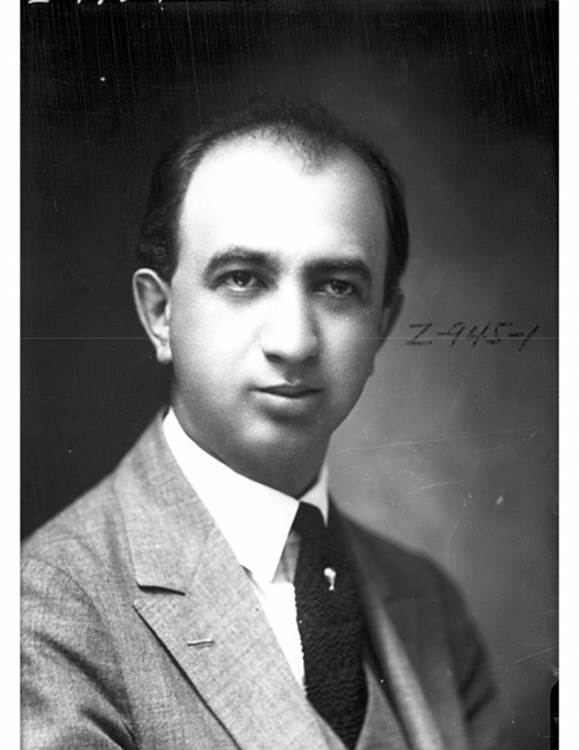
Portrait, Joseph Schubert, 1928.
Photo Credit : City of Montreal Archives
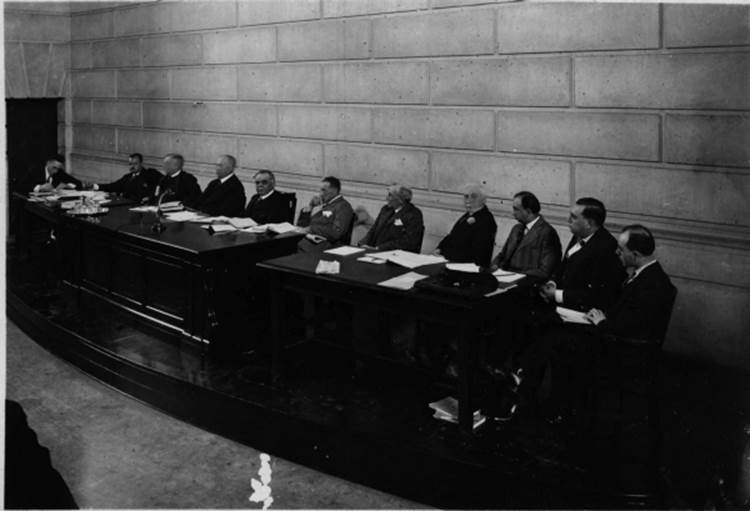
Joseph Schubert (third from right) and the Gouin School Commission in 1924.
Photo Credit : Alex Dworkin Canadian Jewish Archives
Joseph Schubert election flyer, ca. 1934.
Photo Credit : Jewish Public Library - Archives
1889 - 1952
Joseph Schubert
Joseph Schubert was a popular labour organizer, public health advocate and City Council alderman in the 1920s and 30s, who represented the interests of Montreal’s “downtowner” immigrant Jewish community during its formative years.
After arriving from Romania, Schubert worked as a pants maker before quickly rising to prominent positions in labour, the Jewish community and civic administration. A defender of workers’ rights, he condemned exploitation in clothing factories and later became secretary of the Cloak Pressers’ Union. Needle trade unions were often Jewish organizations, initiated by Eastern European immigrants who arrived with ideas inspired by the socialist ideas of the Bund (the East European General Union of Jewish Workers), as well as the Workmen’s Circle (founded by East European Jews in the United States).
Various disputes, including the 1912 strike against the Clothing Manufacturers’ Association of Montreal, pitted “uptowner” Jewish factory owners against “downtowner” Jewish immigrants. A passionate speaker and effective organizer, Schubert helped negotiate a compromise of a 49-hour, rather than 55-hour, work week.
Up until 2012, Schubert was Montreal’s highest-ranking Jewish official in the history of its municipal government. Elected to Montreal’s City Council in 1924 to represent the predominantly Jewish St. Louis ward, he advocated for workers’ rights during his 15 years in office. One success was the attainment of an eight-hour day and a $0.50 hourly minimum wage for municipal employees. During a 1925 strike, Schubert disputed rumours that the strikers were all Jewish, as pervasive anti-Semitism discredited the workers’ efforts.
A socialist, Schubert promoted the unpopular stance of higher taxes to improve social services. He battled rumours of communist affiliations stemming from his sympathy for allegedly communist Russian Jews barred from immigration and from his position as Montreal’s only Labour Party alderman. Despite such accusations, Schubert retained popular support, leading the opposition to the powerful Liberal administration from 1924-30 and criticizing their dealings with the underworld.
Schubert’s advice was sought during the 20s “Jewish School Question.” He was appointed by Premier Louis-Alexandre Taschereau as one of three Jewish representatives to sit with Protestant and Catholic leaders on a Royal Commission called the “Committee of Nine.” Schubert voted for a separate Jewish school system.
As alderman, Schubert addressed the spread of diseases due to overcrowding and unsanitary working conditions. During the Depression, he was commissioned to write a report on unemployment and relief distribution across North America. His recommendations struck a chord, as public spending on Montreal’s public health was the lowest proportionally in North America, an embarrassment given that the city had the highest infant death rate on the continent, and the largest number of tuberculosis patients. The report resulted in a Public Health Commission, in which Schubert was active in creating measures to prevent the spread of disease. In a 1931 public health initiative, Schubert built the Schubert Baths (Bains Schubert), a public bathhouse for immigrant families lacking access to hot water, which today is a public pool on the corner of Bagg and St. Lawrence.
Special thanks to the Museum of Jewish Montreal.
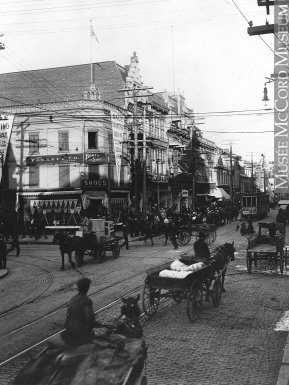
If there is one place in particular that is associated with the history of the Montreal Jewish community, it is undoubtedly Saint Laurent Boulevard.
Also known as “the Main,” St. Laurent Boulevard has been one of the city’s most iconic arteries since the turn of the 18th century. For more than a hundred years, it has been the centre of immigrant populations, particularly the life of the Jewish community. Jews first started settling in this area quite early in Montreal history.
By the turn of the 20th century, numerous synagogues, community centres and kosher restaurants were cropping up along the Main, which prompted the opening of several Yiddish theatres and cinemas. Saint Laurent Boulevard was also the location of most garment factories – where many Jewish workers were employed – not to mention the home of the Montreal Yiddish newspaper Keneder Adler (Canadian Eagle). For almost a half a century, Yiddish was the most common language on Saint Laurent Boulevard, and the third most spoken language in Montreal, after French and English.
Several famous Jews were raised in this neighbourhood, or lived there during their careers, including writer Mordecai Richler, singer and songwriter Leonard Cohen, and union organizer Léa Roback. As time progressed, the Jewish population of Montreal moved towards the west of the city.
Few remnants of their history remain on Saint Laurent Boulevard today. Nonetheless, most people feel that the Main retains a distinctive Jewish character, probably because it is home to the city’s most famous smoked meat and bagels.
Arts & Culture
Share
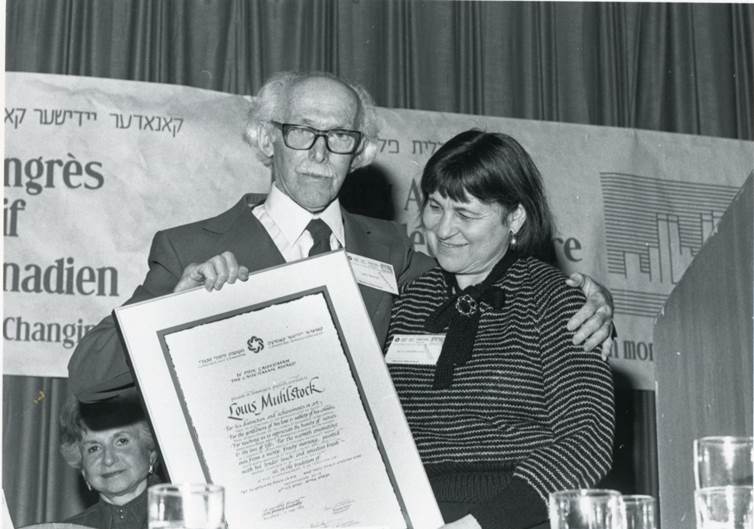
Louis Muhlstock receiving the H. M. Caiserman Award during Canadian Jewish Congress from Ghitta Caiserman-Roth, H.M. Caiserman's daughter, 1985.
Photo Credit : Jewish Public Library - Archives
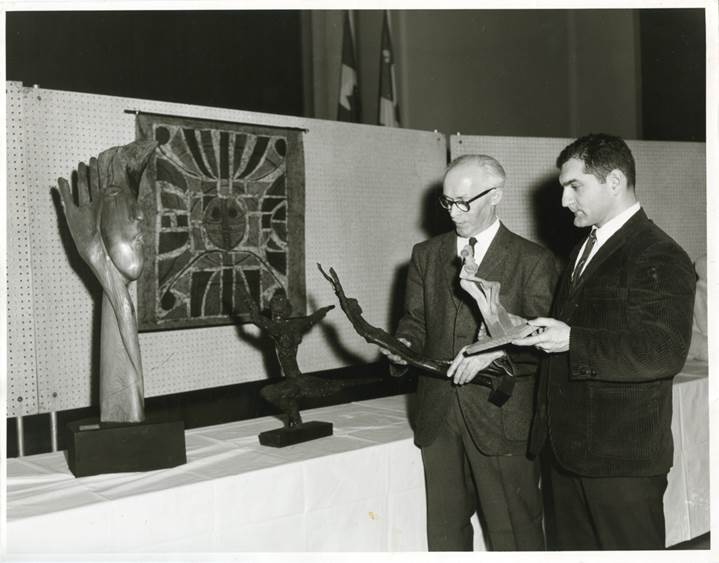
Stanley Lewis and Louis Muhlstock, Art Exhibit, Jewish General Hospital, 1967.
Photo Credit : Jewish Public Library - Archives
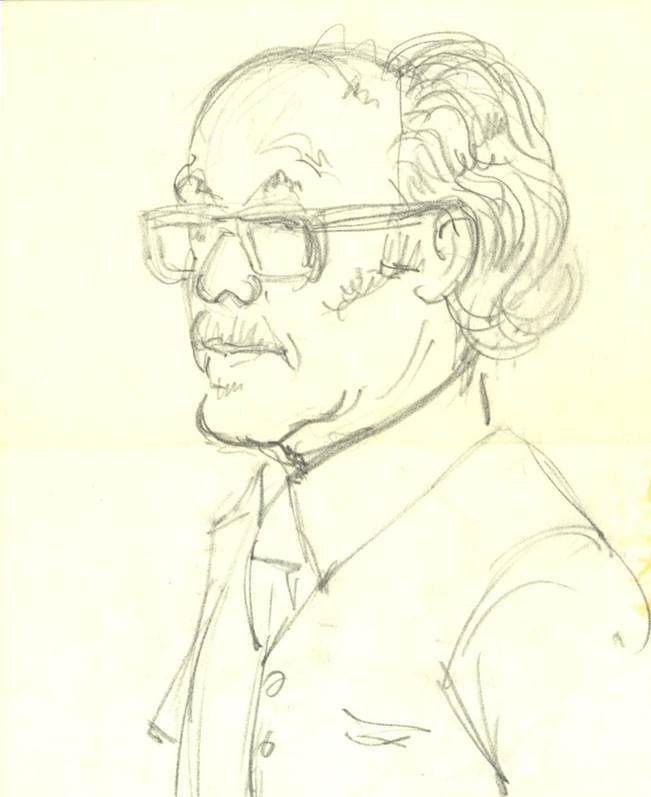
Louis Muhlstock, profile and sketch by Lou Seligson, Canadian Jewish News, 1977.
Photo Credit : Alex Dworkin Canadian Jewish Archives
Louis Muhlstock and Ghitta Caiserman-Roth, ca. 1955.
Photo Credit : Alex Dworkin Canadian Jewish Archives
1904 - 2001
Louis Muhlstock
Louis Muhlstock was a renowned Canadian draughtsman and painter known for work that captured the marginalized of Depression-era Montreal.
Born in Narajow, Galicia (Austro-Hungary), Muhlstock immigrated to Montreal with his family in 1911. He studied art at the Art Association of Montreal and the Fine Arts School. His first exhibit was at the Royal Canadian Academy in 1925. He left for Paris in 1928 where, until 1931, he studied with Louis Biloul and sketched at the Grande Chaumière, the same Parisian art school where Modigliani and Jean-Paul Riopelle studied. He returned to Montreal in 1931 to become a full-time painter.
Muhlstock was renowned for his sense of humanity. He painted the poor, the destitute and even hospitalized patients. His famous work, Paranka (1932), is of a blind and terminally ill patient. Later he would paint empty rooms and abandoned buildings, symbolizing the angst of his world. In his early works, the ubiquity of the Depression is reflected in the austerity of his creations.
Muhlstock was a member of the Canadian Society of Graphic Artists, the Canadian Group of Painters, the Contemporary Arts Society, the Federation of Canadian Artists and the Canadian Society of Painters in Water Colour. He held an honorary doctorate from Concordia University (1978) and was an Officer of the Order of Canada (1991) and Knight of the Order of Quebec (1998). He was also one of the deans of the Jewish Painters of Montreal.
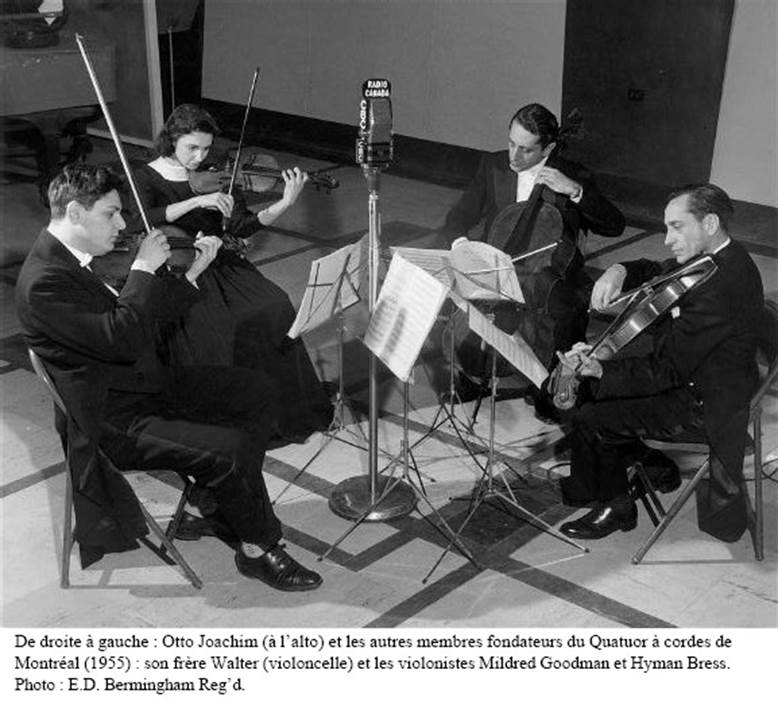
Otto and Walter Joachim at the Fondateurs du Quarters a Cordes de Montreal in 1955.
Photo Credit : E.D. Bermingham Reg’d
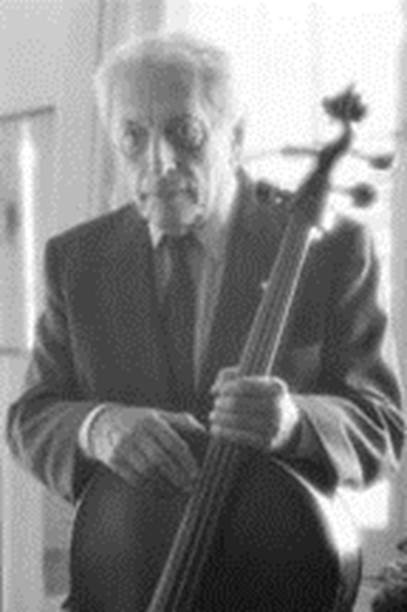
Walter Joachim in Montreal (1990s).
Photo Credit : Marc-André Grenie for Les Prix du Québéc.
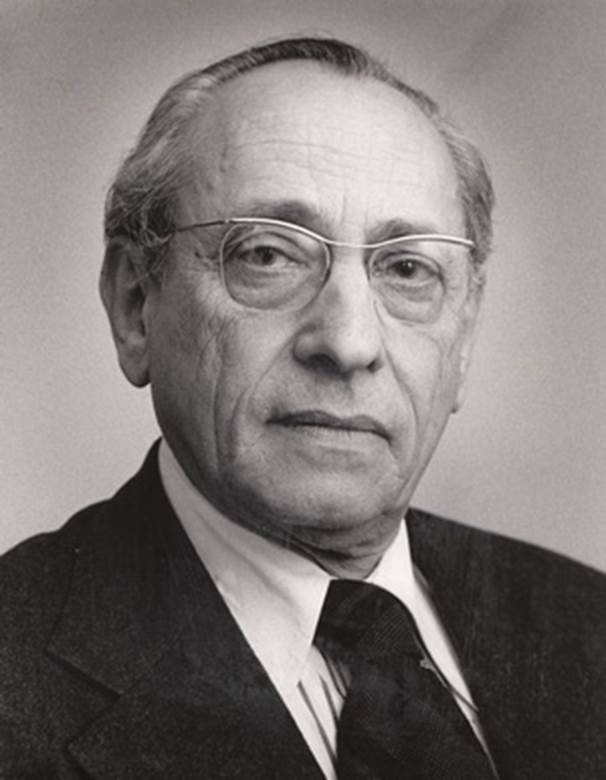
Otto Joachim.
Photo Credit : The Métropolitain
Otto and Walter Joachim
Otto and Walter Joachim were distinguished musicians and composers who brought their talents from Germany to Canada, where they became key figures in Montreal’s cultural sphere.
The brothers were born in Dusseldorf, and began studying violin there at an early age. In 1934, when the Nazis came to power, Otto was forced to flee Germany for Asia. He went first to Singapore and then to China – it being one of the few countries open to Jews during the war. In Shanghai, he met his wife, fellow Berliner Ellen Dieneman, and they had a son, Davis. In 1949, Otto and his family decided to move to Brazil. En route to South America via North America, however, he fell in love with the European nature of Montreal and decided to stay. Walter, meanwhile, spent the 1930s touring with a group of musicians throughout Europe and Asia, before also settling in Canada, in 1952.
During the 1950s, Otto and Walter began to make their mark on Montreal. They joined the Montreal Symphony Orchestra and the McGill Chamber Orchestra (Otto as a solo violinist and Walter as a principal cellist). They also co-founded the Montreal String Quartet. And for the Canadian Pavilion at Expo 67, Otto composed an electroacoustic piece called Katimavik.
In 1956, Otto started teaching at McGill University, and founded his own electroacoustic music research studio. He spent many years experimenting with sound and was a key player in the modernist avant-garde music movement. Walter, confronted with his progressive deterioration from Parkinson’s disease, increasingly focused on academia, teaching at schools including the CMM, McGill University and the Orford Arts Centre.
Both brothers were named Knights of the Order of Quebec (Walter in 1992, Otto in 1993). Otto was made an Honorary Member of the Canadian Electroacoustic Community, was awarded the Grand Prix Paul-Gilson and the Prix Calixa-Lavallée, was given an Honorary Doctorate from Concordia University, and was honoured with an electroacoustic studio named after him at the school. Walter was made a member of the Order of Canada and received the Denise Pelletier Prize.
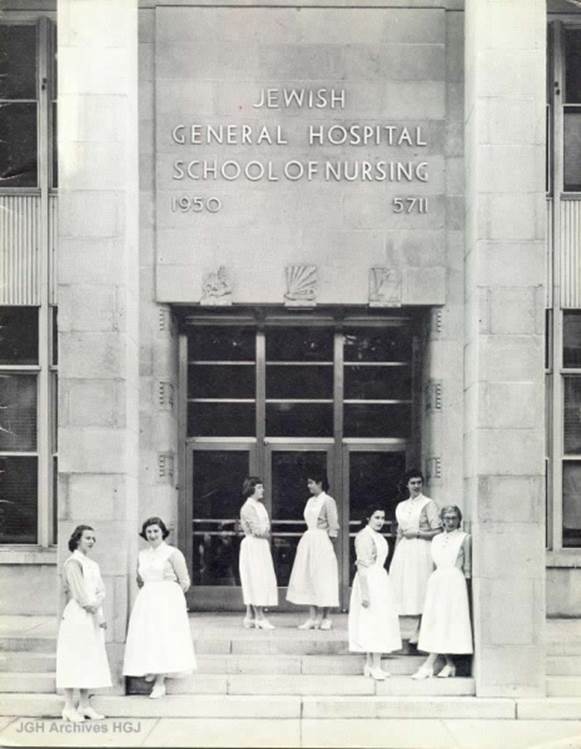
The School of Nursing opened in 1951. This photograph is from the cover of a promotional pamphlet for the new School of Nursing of the Jewish General Hospital.
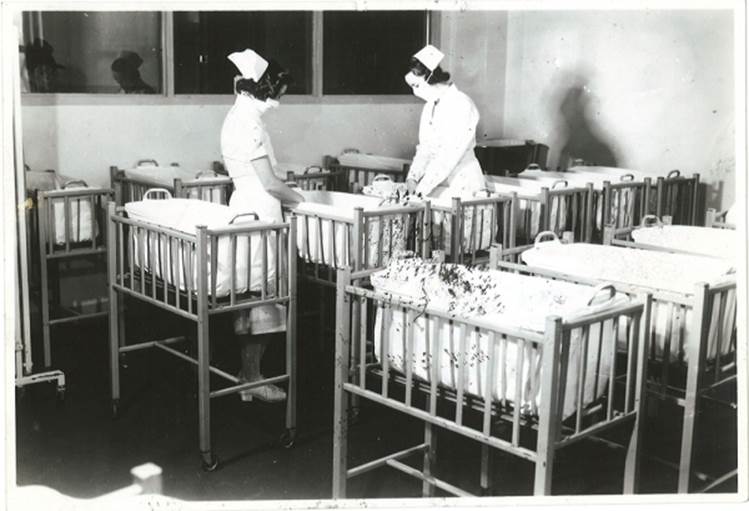
Interior shot of nursery, two nurses in masks tending to babies, Jewish General Hospital, Montreal, ca. 1950s.
Photo Credit : Jewish Public Library Archives
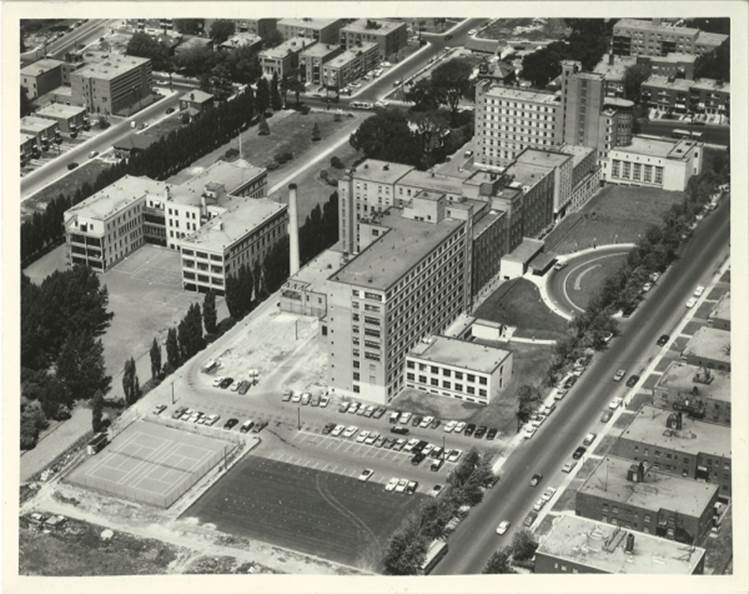
Exterior shot, aerial view of Jewish General Hospital and grounds, Montreal, ca. 1950s.
Photo Credit : Jewish Public Library Archives
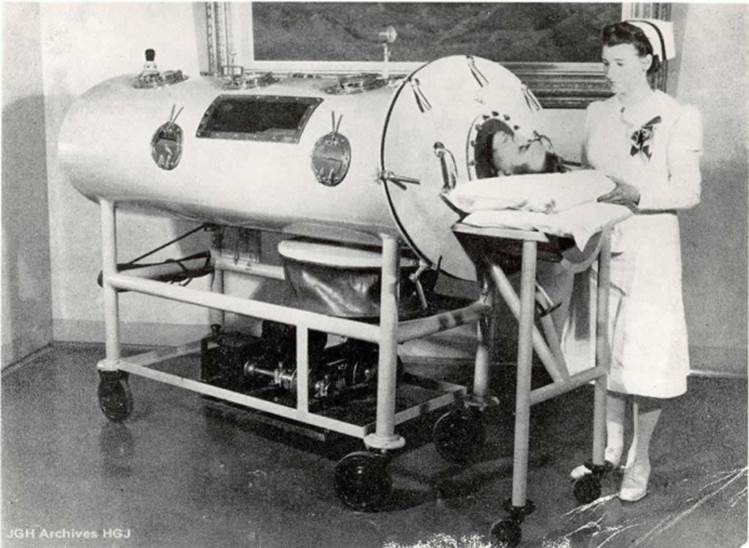
A nurse takes care of a patient who has been placed in an iron lung, a steel chamber to maintain his breathing ability, at the Jewish General Hospital, ca. 1940s or 1950s.
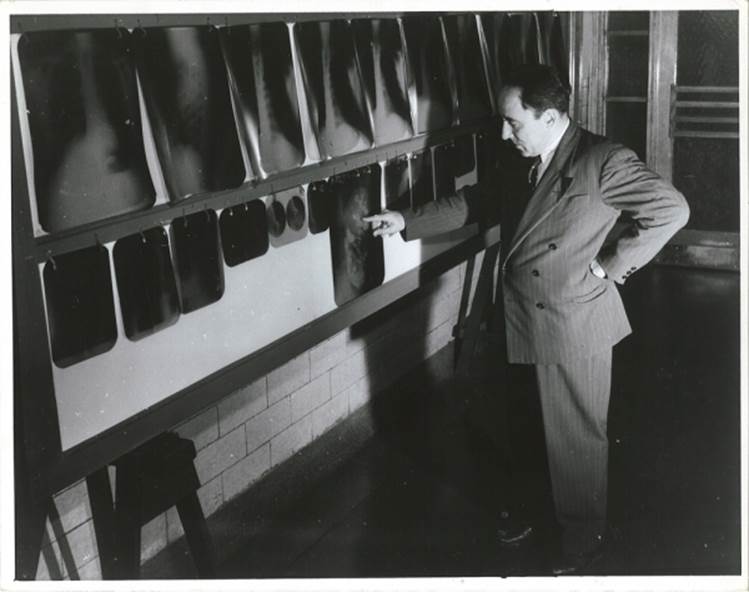
Unidentified man studying x-rays, Jewish General Hospital, Montreal, ca. 1940s.
Photo Credit : Jewish Public Library Archives
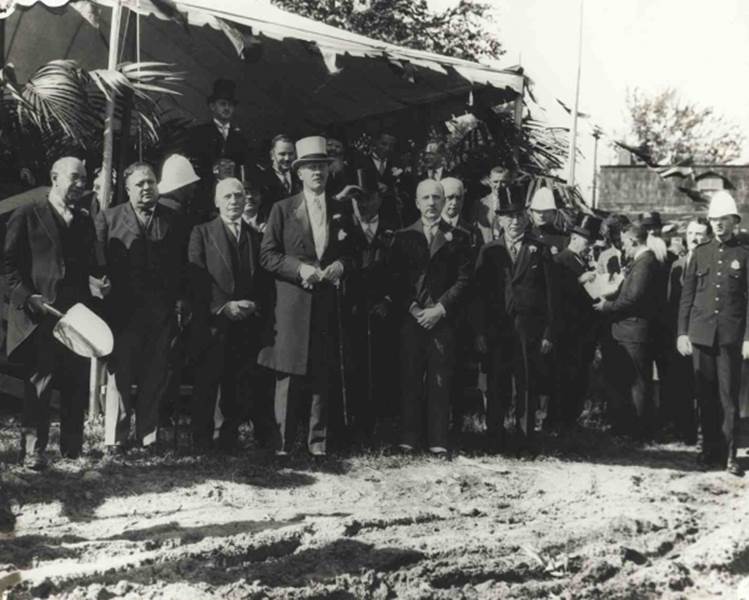
Group portrait of men, including Horace Cohen, Allan Bronfman, Rabbi Herman Abramowitz, Governor General Earl Bessborough, and Joseph Levinson Sr., standing outside next to tent, at Turning of Sod Ceremony, Jewish General Hospital, Montreal, 1931.
Photo Credit : Alex Dworkin Canadian Jewish Archives
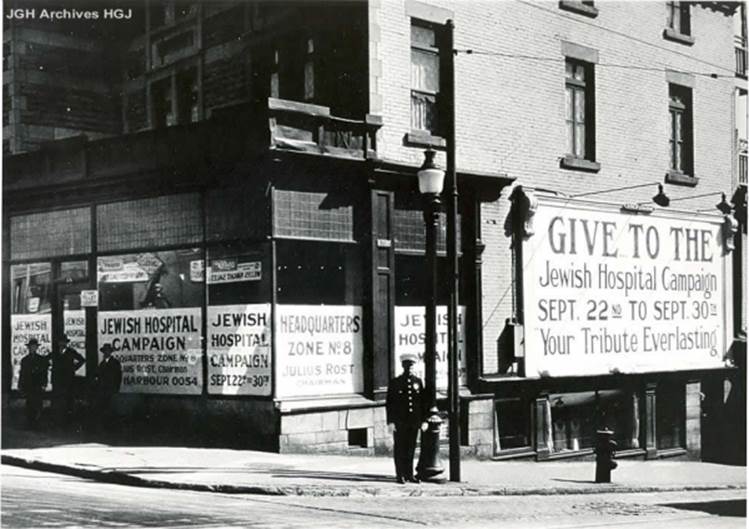
The photograph shows a special citizen's meeting with more than 3,000 people in attendance on Sept. 22, 1929 at the Mount Royal Hotel. A one million dollar campaign was inaugurated by Montreal's Jewish community to collect financial pledges and to proceed with plans to build the Jewish Hospital.
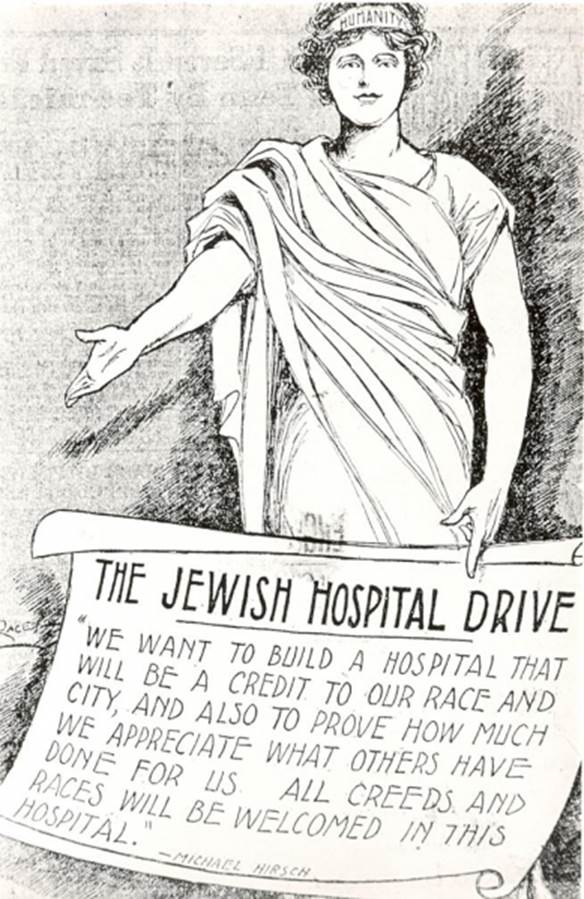
Published in the Montreal Daily Star on Sept. 23, 1929, the editorial cartoon shows a goddess, who symbolizes humanity, holding a poster on which is quoted Mr. Michael Hirsch's statement on the goal of founding the Jewish General Hospital. Mr. Hirsch was the joint chairman of the Committee of the Capital Campaign in 1929.
Photograph depicting capital campaign billboards set in different districts of Montreal's Jewish community raising funds for the Jewish General Hospital in 1929.
When the Jewish General Hospital (JGH) was inaugurated in October 1934, few could have imagined that it would eventually rank among Quebec’s largest, busiest and most renowned healthcare institutions.
The story of the JGH begins in the 1880s, when many Jews began to flee the anti-Semitic persecution of Russia and Eastern Europe, and to resettle in cities across North America, including Montreal. Unfortunately, the religious discrimination that prevailed in Quebec during that era prevented Jews from receiving medical care—and from finding employment—in most of Montreal’s larger hospitals. Thus, during the 1910s and ’20s, as the Jewish population of Montreal soared from 5,000 to 20,000, health care was provided mainly by several small Jewish clinics. However, by the late 1920s, it was clear that these under-staffed and under-equipped facilities were insufficient to meet the rapidly growing need.
In search of a solution, Montreal’s Jewish leaders conducted a feasibility study and determined that proper health care could be delivered only by a modern general hospital. The proposal to build the hospital was resoundingly ratified at a mass meeting of Jewish Montrealers in September 1929.
Ironically, only a few weeks later, the task of funding the construction grew much more complicated, as a result of the crash of the U.S. stock market and the launch of the decade-long Great Depression. Nevertheless, the determination to build a Jewish hospital (with support from the provincial government) was so strong that all of the pledges—even those made by private citizens of modest means—were eventually honoured.
As the 1930s dawned, and with the launch of the JGH still several years away, the hospital’s founders decided that one of the cornerstones of the new institution would be a policy that has remained in effect ever since: an official commitment to offer health care and employment to all individuals, regardless of their religious, ethnic, cultural or linguistic background.
And so, when the JGH opened in 1934, it was among the earliest public healthcare institutions in Quebec—and possibly even the very first—to officially adopt a non sectarian, non discriminatory policy. This outstanding move was highlighted in a number of opening-day speeches, including those by Montreal Mayor Camilien Houde, a representative of the Premier of Quebec, and the Governor General of Canada, Lord Bessborough, who described the JGH as “a monument to that spirit of charity toward your fellow men, which has always been the characteristic of Jewry throughout the world.”
Since 1934, the JGH has lived up to the vision of its founders by implementing the latest technological developments in medical treatment, complemented by the sensitivity and compassion that patients need and deserve. Over the decades, the hospital has evolved into a healthcare hub in its Côte-des-Neiges neighbourhood, which is home to a large number of new immigrants from a great many countries. Although English and French are the most common languages spoken in this officially bilingual hospital, dozens of languages can be heard in the JGH over the course of a typical year.
In 2015, as part of a province-wide reorganization of the public healthcare system, the JGH was among the many healthcare and social services facilities in the west-central portion of the city that were brought together to form the Integrated Health and Social Services University Network for West-Central Montreal (also known as CIUSSS West-Central Montreal).
The hospital’s most significant modern milestone was the opening in early 2016 of Pavilion K, the largest, most complex and most ambitious expansion project in the history of the JGH. This large critical-care wing now houses the Emergency Department, Adult Intensive Care, Neonatal Intensive Care, Coronary Care, the Family Birthing Centre, the operating rooms and many other units and services.
Today, as a McGill University teaching hospital, the JGH is the site of one of Quebec’s top comprehensive cancer centres (the Segal Cancer Centre), and of one of Canada’s leading research facilities (the Lady Davis Institute). With a staff of more than 5,100 (including nearly 700 attending doctors and over 1,600 nurses), the JGH annually handles more than 700,000 outpatient visits, over 84,000 emergency visits, nearly 12,000 surgical procedures, and the delivery of approximately 3,700 babies. In addition, it benefits from the activities of at least 1,000 volunteers.